
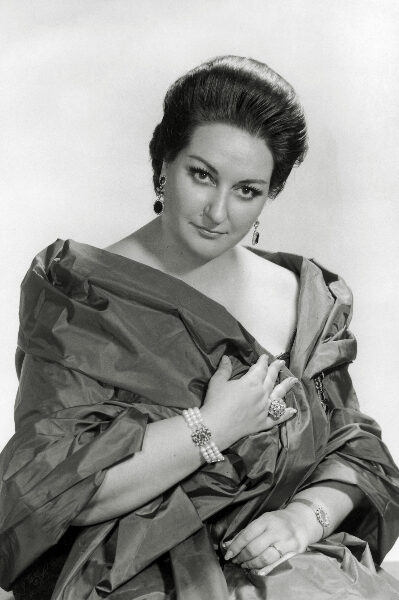
Montserrat Caballé
Montserrat Caballé was a Spanish operatic soprano. Born April 12, 1933, in Barcelona. Died October 6, 2018, in Barcelona. Positions held include UNICEF Goodwill Ambassador. Educated at Conservatori Superior de Música del Liceu. Awards include Commandeur des Arts et des Lettres, Commander's Cross of the Order of Merit of the Federal Republic of Germany and Knight of the Order of Isabella the Catholic.
Facts
37 facts · 2 confirmed by two sources · 14 cited · 21 from one source
Where this comes from
Papalocal keeps its own record. It started from these sources; what each one said is kept here as it was copied, so a change on their side never changes this page by itself. Tap one to read its version.
What Wikidata says · copied November 16, 2026 · revision 2565550225
- Described as
- Spanish operatic soprano (1933–2018)
- Other names
- María de Montserrat Bibiana Concepción Caballé i Folch, Montserrat Caballe
- Born
- April 12, 1933 · 12 references
- Died
- October 6, 2018 · 8 references
- Born in
- Barcelona · 4 references
- Died in
- Barcelona · 2 references
- Buried in
- Cementiri de Sant Andreu de Palomar · 1 reference
- Cause of death
- infectious disease
- Name at birth
- María de Montserrat Bibiana Concepción Caballé Folch
- Citizen of
- Spain · 1 reference
- Occupation
- opera singer · 2 references; recording artist; singer · 1 reference; musician · 1 reference
- Positions held
- UNICEF Goodwill Ambassador
- Education
- Conservatori Superior de Música del Liceu
- Genre
- opera; vocal music · 1 reference
- Instrument
- voice
- Record label
- Polydor Records
- Awards
- Commandeur des Arts et des Lettres; Commander's Cross of the Order of Merit of the Federal Republic of Germany; Knight of the Order of Isabella the Catholic; Princess of Asturias Award for the Arts (1991); Gold Medal of Merit in the Fine Arts (1973) · 1 reference; Knight Grand Cross of the Order of Merit of the Italian Republic; Grand Cross of the Civil Order of Alfonso X the Wise (1975) · 2 references; Gramophone Award for Lifetime Achievement (2007) · 1 reference; Gold Medal of the Generalitat of Catalonia; Order of the Badge of Honour; Order of Friendship; Order of Princess Olga, 1st class; Gold Medal for Tourism Merit (1988) · 2 references; honorary doctor of the D. Mendeleev University of Chemical Technology of Russia; Echo Klassik – Female Singer of the Year (1996)
- Field
- opera · 1 reference
- Spouse
- Bernabé Martí · 1 reference
- Children
- Montserrat Martí · 1 reference
- Religion
- Catholicism
- Wikipedias with a page
- 87
Wikidata item Q151435 (wikidata.org/wiki/Q151435), public domain (CC0). Copied November 16, 2026.
What Wikipedia says · copied November 16, 2026 · revision 1377324157
María de Montserrat Bibiana Concepción Caballé i Folch or Folc (12 April 1933 – 6 October 2018), simply known as Montserrat Caballé (i Folch), was a Spanish (Catalan) operatic soprano. Widely considered to be one of the greatest sopranos of the 20th century, she won a variety of musical awards throughout her six-decade career, including three Grammy Awards.
Caballé performed a wide variety of roles, but is best known as an exponent of the works of Verdi and of the bel canto repertoire, notably the works of Rossini, Bellini, and Donizetti. She was noticed internationally when she stepped in for a performance of Donizetti's Lucrezia Borgia at Carnegie Hall in 1965, and then appeared at leading opera houses. Her voice was described as pure but powerful, with superb control of vocal shadings and exquisite pianissimo.
Caballé is also known for her 1987 duet with Freddie Mercury, "Barcelona", later used for the 1992 Olympic Games. The two had mutual admiration for each other and developed a close friendship.
- Born, in its opening lines
- April 12, 1933
- Died, in its opening lines
- October 6, 2018
From the Wikipedia article “Montserrat Caballé” (en.wikipedia.org/wiki/Montserrat_Caballé), by its contributors, under CC BY-SA 4.0 (creativecommons.org/licenses/by-sa/4.0/). Copied November 16, 2026; not changed.
Confirmed Two sources agree. Cited One source, and it names where it got it. One source One source, without a reference of its own. Sources disagree The sources disagree. We show the best-supported value and keep theirs below.
