
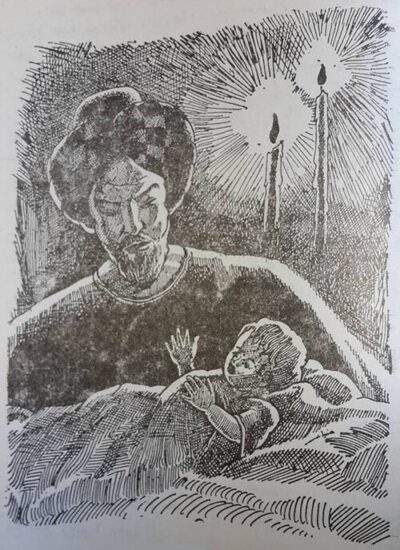
Najm ad-Din Ayyub
Najm ad-Din Ayyub was a Kurdish soldier and politician, father of Saladin. Born 1113, in Dvin. Died August 9, 1173, in Ayyubid dynasty.
Facts
20 facts · 1 confirmed by two sources · 0 cited · 19 from one source
Where this comes from
Papalocal keeps its own record. It started from these sources; what each one said is kept here as it was copied, so a change on their side never changes this page by itself. Tap one to read its version.
What Wikidata says · copied November 17, 2026 · revision 2560775101
- Described as
- Kurdish soldier and politician, father of Saladin
- Born
- 1113
- Died
- August 9, 1173 · 1 reference
- Born in
- Dvin · 1 reference
- Died in
- Ayyubid dynasty
- Cause of death
- horse fall · 1 reference
- Citizen of
- Ayyubid dynasty
- Occupation
- politician; military personnel
- Spouse
- Sitt al-Mulk Fatma Khatun
- Children
- Al-Adil I · 1 reference; Saladin · 1 reference; Turan-Shah · 1 reference; Tughtakin ibn Ayyub · 1 reference; Rabia Khatoon · 1 reference; Sitt al-Sham · 1 reference; Nur Ad-Din Shahanshah · 1 reference; Tāj al-Mulūk ibn Ayyūb Būrī
- Father
- Shadhi ibn Marwan · 1 reference
- Siblings
- Shirkuh · 1 reference
- Religion
- Sunni Islam · 1 reference
- Wikipedias with a page
- 25
Wikidata item Q735636 (wikidata.org/wiki/Q735636), public domain (CC0). Copied November 17, 2026.
What Wikipedia says · copied November 17, 2026 · revision 1382971138
Al-Malik al-Afdal Najm al-Dīn Ayyūb ibn Shādhi ibn Marwān (Arabic: الملك ألأفضل نجم الدين أيوب بن شاذي بن مروان, Kurdish: نەجمەدین ئەییووبی شادی مەروان, romanized: Necmeddîn Eyûbî Şadî Merwan; died August 9, 1173), or simply Najmadin, was a Kurdish mercenary and politician from Dvin, and the father of Saladin. He is the eponymous ancestor of the Ayyubid dynasty.
- Died, in its opening lines
- August 9, 1173
From the Wikipedia article “Najm al-Din Ayyub” (en.wikipedia.org/wiki/Najm_al-Din_Ayyub), by its contributors, under CC BY-SA 4.0 (creativecommons.org/licenses/by-sa/4.0/). Copied November 17, 2026; not changed.
Confirmed Two sources agree. Cited One source, and it names where it got it. One source One source, without a reference of its own. Sources disagree The sources disagree. We show the best-supported value and keep theirs below.
