
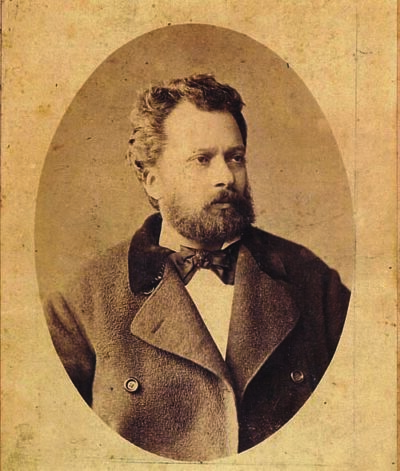
Nâmık Kemâl
Nâmık Kemâl was an Ottoman writer. Born December 21, 1840, in Tekirdağ. Died December 2, 1888, in Chios. Known for Homeland or Silistra and Cezmi.
Facts
23 facts · 2 confirmed by two sources · 15 cited · 6 from one source
Where this comes from
Papalocal keeps its own record. It started from these sources; what each one said is kept here as it was copied, so a change on their side never changes this page by itself. Tap one to read its version.
What Wikidata says · copied November 16, 2026 · revision 2569144335
- Described as
- Ottoman writer (1840-1888)
- Other names
- Namik Kemal
- Born
- December 21, 1840 · 3 references
- Died
- December 2, 1888 · 4 references
- Born in
- Tekirdağ · 1 reference
- Died in
- Chios · 1 reference
- Buried in
- Bolayır
- Citizen of
- Ottoman Empire · 1 reference
- Occupation
- poet; writer · 2 references; politician · 1 reference; historian · 1 reference; prose writer · 1 reference; playwright · 1 reference; translator · 1 reference; opinion journalist · 1 reference
- Member of
- Encümen-i Şuara · 1 reference
- Known for
- Homeland or Silistra · 1 reference; Cezmi
- Field
- literary activity · 1 reference; journalism · 1 reference; translating activity · 1 reference; political activity · 1 reference
- Children
- Ali Ekrem Bolayır · 1 reference
- Religion
- Islam · 1 reference
- Wikipedias with a page
- 45
Wikidata item Q337500 (wikidata.org/wiki/Q337500), public domain (CC0). Copied November 16, 2026.
What Wikipedia says · copied November 16, 2026 · revision 1384349861
Namık Kemal (Ottoman Turkish: نامق كمال, romanized: Nâmıḳ Kemâl, pronounced [ˈnaː.mɯk ce.ˈmal]; Turkish: Namık Kemal; 21 December 1840 – 2 December 1888) was an Ottoman writer, poet, democrat, intellectual, reformer, journalist, playwright, and political activist who was influential in the formation of the Young Ottomans and their struggle for governmental reform in the Ottoman Empire during the late Tanzimat period, which led to the First Constitutional Era in the Empire in 1876. Kemal championed notions of freedom and fatherland in his plays and poems, and his works had a significant impact on the establishment of and future reform movements in Turkey, as well as other former Ottoman territories. He is often regarded as being instrumental in redefining Western concepts like natural rights and constitutional government.
- Born, in its opening lines
- December 21, 1840
- Died, in its opening lines
- December 2, 1888
From the Wikipedia article “Namık Kemal” (en.wikipedia.org/wiki/Namık_Kemal), by its contributors, under CC BY-SA 4.0 (creativecommons.org/licenses/by-sa/4.0/). Copied November 16, 2026; not changed.
Confirmed Two sources agree. Cited One source, and it names where it got it. One source One source, without a reference of its own. Sources disagree The sources disagree. We show the best-supported value and keep theirs below.
