
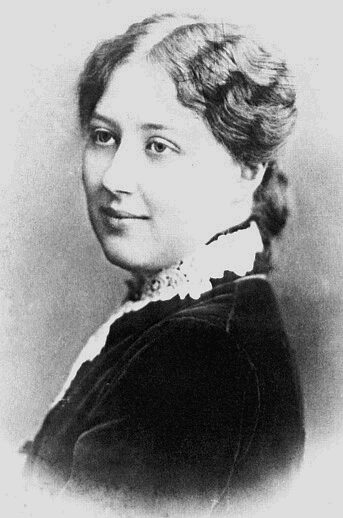
Nataliia Polonska-Vasylenko
Nataliia Polonska-Vasylenko was an Ukrainian historian. Born January 31, 1884, in Kharkiv. Died June 8, 1973, in Dornstadt. Educated at Fundukleev Women's Gymnasium and Imperial University of St. Vladimir.
Facts
11 facts · 1 confirmed by two sources · 3 cited · 6 from one source · 1 where the sources disagree
What’s different
- Born: we show January 31, 1884 (Sources disagree). Wikipedia says March 2, 1884
Where this comes from
Papalocal keeps its own record. It started from these sources; what each one said is kept here as it was copied, so a change on their side never changes this page by itself. Tap one to read its version.
What Wikidata says · copied November 18, 2026 · revision 2567315506
- Described as
- Ukrainian historian
- Born
- January 31, 1884
- Died
- June 8, 1973
- Born in
- Kharkiv · 1 reference
- Died in
- Dornstadt
- Occupation
- historian · 1 reference
- Worked for
- Taras Shevchenko National University of Kyiv
- Education
- Fundukleev Women's Gymnasium (–1901); Imperial University of St. Vladimir (–1913)
- Member of
- Shevchenko Scientific Society
- Field
- history
- Spouse
- Mykola Vasylenko · 2 references
- Wikipedias with a page
- 24
Wikidata item Q1972559 (wikidata.org/wiki/Q1972559), public domain (CC0). Copied November 18, 2026.
What Wikipedia says · copied November 18, 2026 · revision 1379640584
Nataliia Polonska-Vasylenko (Ukrainian: Наталія Полонська-Василенко; 2 March [O.S. 19 February] 1884 – 8 June 1973) was one of the foremost Ukrainian historians of the 20th century. She was a wife of the Ukrainian academician of history and statesman Mykola Vasylenko.
- Born, in its opening lines
- March 2, 1884
- Died, in its opening lines
- June 8, 1973
From the Wikipedia article “Nataliia Polonska-Vasylenko” (en.wikipedia.org/wiki/Nataliia_Polonska-Vasylenko), by its contributors, under CC BY-SA 4.0 (creativecommons.org/licenses/by-sa/4.0/). Copied November 18, 2026; not changed.
Confirmed Two sources agree. Cited One source, and it names where it got it. One source One source, without a reference of its own. Sources disagree The sources disagree. We show the best-supported value and keep theirs below.
