
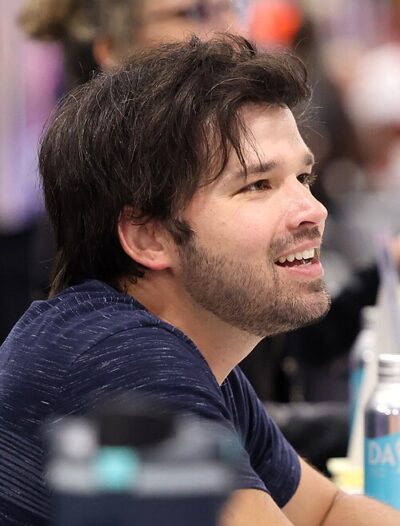
Nathan Kress
Nathan Kress is an American actor. Born November 18, 1992, in Glendale.
Facts
9 facts · 1 confirmed by two sources · 0 cited · 8 from one source
Where this comes from
Papalocal keeps its own record. It started from these sources; what each one said is kept here as it was copied, so a change on their side never changes this page by itself. Tap one to read its version.
What Wikidata says · copied November 15, 2026 · revision 2552544194
- Described as
- American actor (born 1992)
- Other names
- Nathan Karl Kress
- Born
- November 18, 1992
- Born in
- Glendale
- Name at birth
- Nathan Karl Kress
- Citizen of
- United States
- Occupation
- actor; voice actor; television actor; film actor
- Height
- 1.68 m (5 ft 6 in)
- Wikipedias with a page
- 38
Wikidata item Q317194 (wikidata.org/wiki/Q317194), public domain (CC0). Copied November 15, 2026.
What Wikipedia says · copied November 15, 2026 · revision 1381279309
Nathan Karl Kress (born November 18, 1992) is an American actor. He began his career at the age of three, appearing in television commercials and providing the voices of Easy and Tough Pup in the comedy-drama film Babe: Pig in the City (1998). He resumed acting seven years later on the talk show Jimmy Kimmel Live! (2005), and thereafter had regular appearances on several Nickelodeon productions, including Toplin on the sitcom Drake & Josh (2007). Kress rose to prominence for portraying Freddie Benson on the Nickelodeon sitcom iCarly (2007–2012), which earned him five Young Artist Award nominations. He reprised his role in the revival series of the same name (2021–2023). He also subsequently voiced Wedge Antilles in the Disney XD animated series Star Wars Rebels (2016–2017) and the voice of JJ Jameson in the Netflix animated series Pinky Malinky (2019).
- Born, in its opening lines
- November 18, 1992
From the Wikipedia article “Nathan Kress” (en.wikipedia.org/wiki/Nathan_Kress), by its contributors, under CC BY-SA 4.0 (creativecommons.org/licenses/by-sa/4.0/). Copied November 15, 2026; not changed.
Confirmed Two sources agree. Cited One source, and it names where it got it. One source One source, without a reference of its own. Sources disagree The sources disagree. We show the best-supported value and keep theirs below.
