
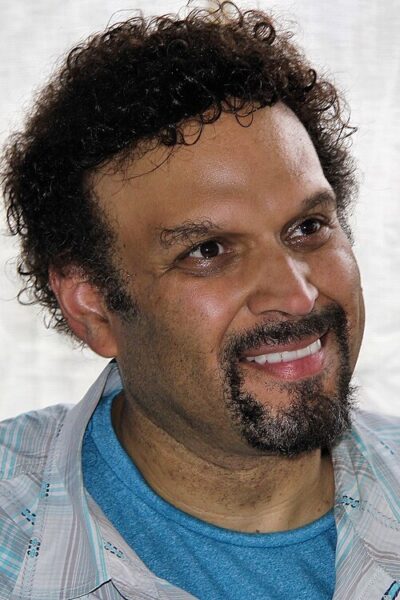
Neal Shusterman
Neal Shusterman is an American novelist. Born November 12, 1962, in Brooklyn. Known for Scythe and Challenger Deep. Educated at University of California, Irvine. Awards include National Book Award for Young People's Literature.
Facts
17 facts · 1 confirmed by two sources · 4 cited · 12 from one source
Where this comes from
Papalocal keeps its own record. It started from these sources; what each one said is kept here as it was copied, so a change on their side never changes this page by itself. Tap one to read its version.
What Wikidata says · copied November 18, 2026 · revision 2568221660
- Described as
- American novelist
- Born
- November 12, 1962 · 3 references
- Born in
- Brooklyn · 1 reference
- Citizen of
- United States
- Occupation
- writer; novelist; science fiction writer; children's writer; screenwriter; young adult author · 1 reference
- Education
- University of California, Irvine
- Genre
- young adult literature
- Known for
- Scythe; Challenger Deep
- Awards
- National Book Award for Young People's Literature (2015)
- Field
- creative and professional writing · 1 reference
- Children
- Jarrod Shusterman · 1 reference
- Website
- http://www.storyman.com
- Wikipedias with a page
- 17
Wikidata item Q6984190 (wikidata.org/wiki/Q6984190), public domain (CC0). Copied November 18, 2026.
What Wikipedia says · copied November 18, 2026 · revision 1383604415
Neal Shusterman (born November 12, 1962) is an American writer of young adult fiction. He won the 2015 National Book Award for Young People's Literature for his book Challenger Deep and his novel, Scythe, was a 2017 Michael L. Printz Honor book.
He won the Margaret Edwards Award in 2024 "honoring his significant and lasting contribution to writing for teens."
- Born, in its opening lines
- November 12, 1962
From the Wikipedia article “Neal Shusterman” (en.wikipedia.org/wiki/Neal_Shusterman), by its contributors, under CC BY-SA 4.0 (creativecommons.org/licenses/by-sa/4.0/). Copied November 18, 2026; not changed.
Confirmed Two sources agree. Cited One source, and it names where it got it. One source One source, without a reference of its own. Sources disagree The sources disagree. We show the best-supported value and keep theirs below.
