
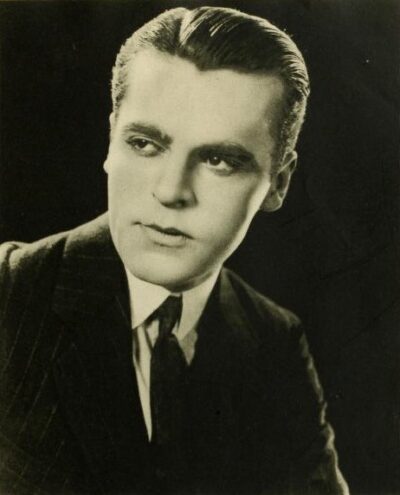
Neil Hamilton
Neil Hamilton was an American actor. Born September 9, 1899, in Lynn. Died September 24, 1984, in Escondido. Awards include star on Hollywood Walk of Fame.
Facts
11 facts · 2 confirmed by two sources · 3 cited · 6 from one source
Where this comes from
Papalocal keeps its own record. It started from these sources; what each one said is kept here as it was copied, so a change on their side never changes this page by itself. Tap one to read its version.
What Wikidata says · copied November 18, 2026 · revision 2567307097
- Described as
- American actor (1899-1984)
- Other names
- James Neil Hamilton
- Born
- September 9, 1899 · 4 references
- Died
- September 24, 1984 · 3 references
- Born in
- Lynn · 1 reference
- Died in
- Escondido · 1 reference
- Cause of death
- asthma
- Citizen of
- United States
- Occupation
- stage actor; film actor; television actor; actor · 1 reference
- Awards
- star on Hollywood Walk of Fame · 1 reference
- Wikipedias with a page
- 18
Wikidata item Q922580 (wikidata.org/wiki/Q922580), public domain (CC0). Copied November 18, 2026.
What Wikipedia says · copied November 18, 2026 · revision 1382833969
James Neil Hamilton (September 9, 1899 – September 24, 1984) was an American stage, film and television actor, best remembered for his role as Commissioner Gordon on the Batman TV series of the 1960s. During his motion picture career, which spanned more than a half century, Hamilton performed in over 260 productions. He was a prominent leading man to actresses such as Clara Bow and Joan Crawford in silent and early sound films during the 1920s and early 1930s.
- Born, in its opening lines
- September 9, 1899
- Died, in its opening lines
- September 24, 1984
From the Wikipedia article “Neil Hamilton (actor)” (en.wikipedia.org/wiki/Neil_Hamilton_(actor)), by its contributors, under CC BY-SA 4.0 (creativecommons.org/licenses/by-sa/4.0/). Copied November 18, 2026; not changed.
Confirmed Two sources agree. Cited One source, and it names where it got it. One source One source, without a reference of its own. Sources disagree The sources disagree. We show the best-supported value and keep theirs below.
