
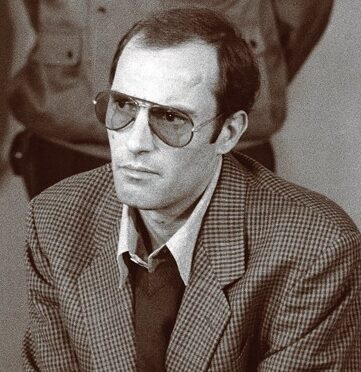
Nicu Ceaușescu
Nicu Ceaușescu was a Romanian politician. Born September 1, 1951, in Bucharest. Died September 26, 1996, in Vienna. Educated at University of Bucharest.
Facts
15 facts · 2 confirmed by two sources · 8 cited · 5 from one source
Where this comes from
Papalocal keeps its own record. It started from these sources; what each one said is kept here as it was copied, so a change on their side never changes this page by itself. Tap one to read its version.
What Wikidata says · copied November 18, 2026 · revision 2566808209
- Described as
- Romanian politician (1951–1996)
- Born
- September 1, 1951 · 1 reference
- Died
- September 26, 1996 · 1 reference
- Born in
- Bucharest · 1 reference
- Died in
- Vienna · 1 reference
- Buried in
- Ghencea Cemetery
- Cause of death
- liver cirrhosis
- Citizen of
- Romania
- Occupation
- politician · 1 reference
- Political party
- Romanian Communist Party (1971–1989) · 1 reference
- Education
- University of Bucharest
- Spouse
- Polina Cristea (1983–1986)
- Father
- Nicolae Ceaușescu · 1 reference
- Mother
- Elena Ceaușescu · 1 reference
- Siblings
- Valentin Ceaușescu · 1 reference; Zoia Ceaușescu · 1 reference
- Wikipedias with a page
- 24
Wikidata item Q1048498 (wikidata.org/wiki/Q1048498), public domain (CC0). Copied November 18, 2026.
What Wikipedia says · copied November 18, 2026 · revision 1373172975
Nicu Ceaușescu (Romanian pronunciation: [ˈniku tʃe̯a.uˈʃesku]; 1 September 1951 – 26 September 1996) was a Romanian physicist and communist politician who was the youngest child of Romanian leaders Nicolae and Elena Ceaușescu. He was a close associate of his father's political regime and considered the President's heir presumptive.
- Born, in its opening lines
- September 1, 1951
- Died, in its opening lines
- September 26, 1996
From the Wikipedia article “Nicu Ceaușescu” (en.wikipedia.org/wiki/Nicu_Ceaușescu), by its contributors, under CC BY-SA 4.0 (creativecommons.org/licenses/by-sa/4.0/). Copied November 18, 2026; not changed.
Confirmed Two sources agree. Cited One source, and it names where it got it. One source One source, without a reference of its own. Sources disagree The sources disagree. We show the best-supported value and keep theirs below.
