
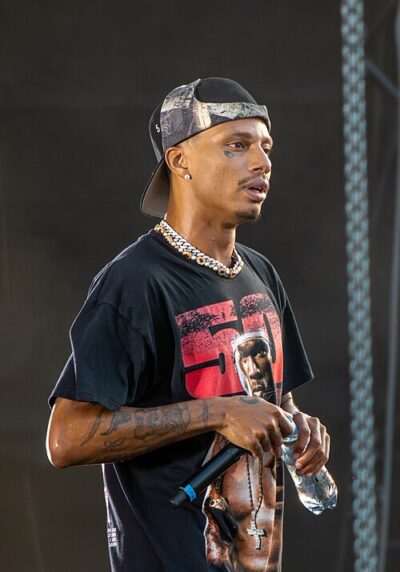
Night Lovell is a Canadian rapper. Born May 29, 1997, in Ottawa. Educated at St. Paul High School.
Facts
17 facts · 1 confirmed by two sources · 0 cited · 16 from one source
Where this comes from
Papalocal keeps its own record. It started from these sources; what each one said is kept here as it was copied, so a change on their side never changes this page by itself. Tap one to read its version.
What Wikidata says · copied November 19, 2026 · revision 2554297113
- Described as
- Canadian rapper
- Other names
- Shermar Cuba Paul
- Born
- May 29, 1997
- Born in
- Ottawa
- Name at birth
- Shermar Cuba Paul · 1 reference
- Citizen of
- Canada
- Occupation
- rapper; songwriter; record producer; musician; athletics competitor
- Education
- St. Paul High School
- Sport
- athletics
- Genre
- hip-hop; trap music; cloud rap; grime; phonk
- Website
- https://nightlovell.com/
- Wikipedias with a page
- 10
Wikidata item Q50875077 (wikidata.org/wiki/Q50875077), public domain (CC0). Copied November 19, 2026.
What Wikipedia says · copied November 19, 2026 · revision 1383513636
Shermar Cuba Paul (born May 29, 1997), known professionally as Night Lovell, is a Canadian rapper, songwriter and record producer. He initially gained fame after his song Dark Light went viral in 2014. He has released four studio albums named Red Teenage Melody released on June 13, 2016, Goodnight Lovell released on February 22, 2019, Just Say You Don't Care, released May 6, 2021, and I Hope You're Happy released on December 8, 2023. He was a featured artist on American YouTuber and musician Corpse Husband's "Hot Demon Bitches Near U ! ! !", which released on September 3, 2021.
As of 2023, Night Lovell had been streamed over 750 million times on Spotify worldwide.
- Born, in its opening lines
- May 29, 1997
From the Wikipedia article “Night Lovell” (en.wikipedia.org/wiki/Night_Lovell), by its contributors, under CC BY-SA 4.0 (creativecommons.org/licenses/by-sa/4.0/). Copied November 19, 2026; not changed.
Confirmed Two sources agree. Cited One source, and it names where it got it. One source One source, without a reference of its own. Sources disagree The sources disagree. We show the best-supported value and keep theirs below.
