
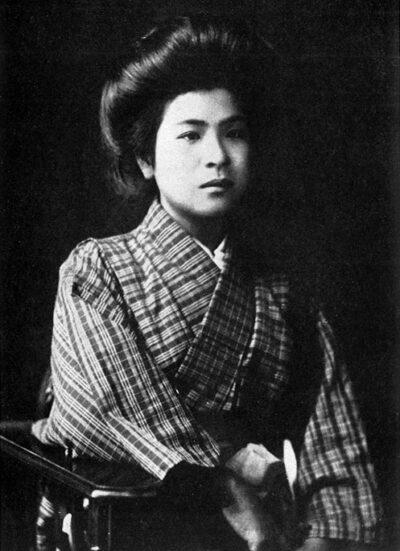
Noe Itō
Noe Itō was a Japanese anarchist, social critic, author and feminist. Born January 21, 1895, in Fukuoka. Died September 16, 1923, in Tokyo.
Facts
11 facts · 2 confirmed by two sources · 5 cited · 4 from one source
Where this comes from
Papalocal keeps its own record. It started from these sources; what each one said is kept here as it was copied, so a change on their side never changes this page by itself. Tap one to read its version.
What Wikidata says · copied November 17, 2026 · revision 2567175259
- Described as
- Japanese anarchist, social critic, author and feminist
- Other names
- Noe Ito, Noe Itou
- Born
- January 21, 1895
- Died
- September 16, 1923
- Born in
- Fukuoka · 1 reference
- Died in
- Tokyo · 1 reference
- Citizen of
- Japan
- Occupation
- writer; social critic; anarchist · 1 reference; feminist · 1 reference; editing staff · 1 reference
- Spouse
- Jun Tsuji
- Wikipedias with a page
- 26
Wikidata item Q260984 (wikidata.org/wiki/Q260984), public domain (CC0). Copied November 17, 2026.
What Wikipedia says · copied November 17, 2026 · revision 1377846873
Itō Noe (伊藤 野枝; January 21, 1895 – September 16, 1923) was a Japanese anarchist, social critic, author, and feminist. She was the editor-in-chief of the feminist magazine Seitō (Bluestocking). Her progressive anarcha-feminist ideology challenged the norms of the Meiji and Taishō periods in which she lived. She drew praise from critics for her ability to weave her personal and political ideas into her writings. The Japanese government, however, condemned her for challenging the constructs of the time. She became a martyr of the anarchist ideology in which she believed during the Amakasu Incident, when she was murdered along with her lover, anarchist author Ōsugi Sakae, and his nephew.
- Born, in its opening lines
- January 21, 1895
- Died, in its opening lines
- September 16, 1923
From the Wikipedia article “Itō Noe” (en.wikipedia.org/wiki/Itō_Noe), by its contributors, under CC BY-SA 4.0 (creativecommons.org/licenses/by-sa/4.0/). Copied November 17, 2026; not changed.
Confirmed Two sources agree. Cited One source, and it names where it got it. One source One source, without a reference of its own. Sources disagree The sources disagree. We show the best-supported value and keep theirs below.
