
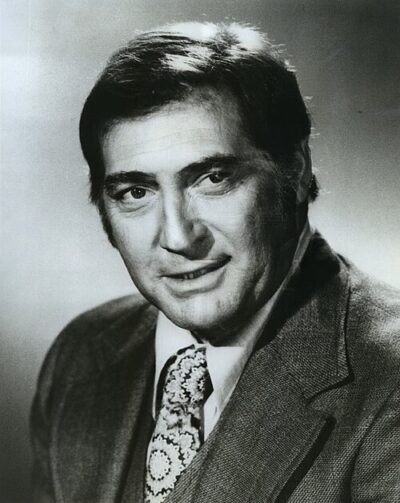
Norman Alden
Norman Alden was an American actor. Born September 13, 1924, in Fort Worth. Died July 27, 2012, in Los Angeles. Educated at Texas Christian University and R. L. Paschal High School.
Facts
12 facts · 2 confirmed by two sources · 1 cited · 9 from one source
Where this comes from
Papalocal keeps its own record. It started from these sources; what each one said is kept here as it was copied, so a change on their side never changes this page by itself. Tap one to read its version.
What Wikidata says · copied November 16, 2026 · revision 2530171224
- Described as
- American actor (1924–2012)
- Other names
- Norman Adelberg
- Born
- September 13, 1924 · 2 references
- Died
- July 27, 2012 · 3 references
- Born in
- Fort Worth
- Died in
- Los Angeles
- Cause of death
- disease
- Citizen of
- United States
- Occupation
- voice actor; film actor; television actor; actor · 1 reference
- Education
- Texas Christian University; R. L. Paschal High School · 1 reference
- Wikipedias with a page
- 21
Wikidata item Q979428 (wikidata.org/wiki/Q979428), public domain (CC0). Copied November 16, 2026.
What Wikipedia says · copied November 16, 2026 · revision 1385483986
Norman Alden (né Adelberg; September 13, 1924 – July 27, 2012) was an American character actor who performed in television programs and motion pictures. He first appeared on television on The 20th Century Fox Hour in 1957. He provided the voices of Sir Kay in The Sword in the Stone (1963) and Kranix in The Transformers: The Movie (1986), and had a notable role in I Never Promised You a Rose Garden (1977). His acting career began in 1957 and lasted nearly 50 years.
- Born, in its opening lines
- September 13, 1924
- Died, in its opening lines
- July 27, 2012
From the Wikipedia article “Norman Alden” (en.wikipedia.org/wiki/Norman_Alden), by its contributors, under CC BY-SA 4.0 (creativecommons.org/licenses/by-sa/4.0/). Copied November 16, 2026; not changed.
Confirmed Two sources agree. Cited One source, and it names where it got it. One source One source, without a reference of its own. Sources disagree The sources disagree. We show the best-supported value and keep theirs below.
