
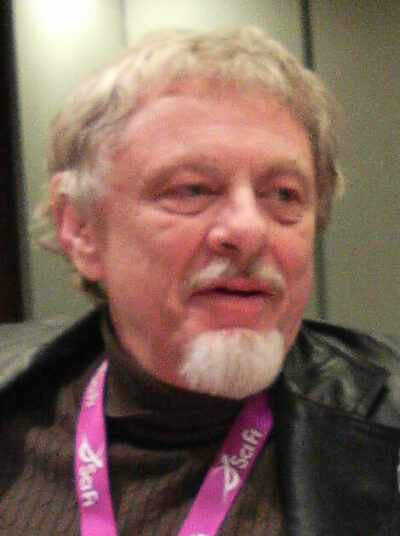
Norman Spinrad
Norman Spinrad is an American science fiction writer and critic. Born September 15, 1940, in The Bronx. Known for Bug Jack Barron, The Iron Dream and The Doomsday Machine. Educated at City College of New York and Bronx High School of Science. Awards include Cosmos 2000 Award and Prix Tour-Apollo Award.
Facts
19 facts · 1 confirmed by two sources · 1 cited · 17 from one source
Where this comes from
Papalocal keeps its own record. It started from these sources; what each one said is kept here as it was copied, so a change on their side never changes this page by itself. Tap one to read its version.
What Wikidata says · copied November 16, 2026 · revision 2559311100
- Described as
- American science fiction writer and critic (born 1940)
- Other names
- Norman Richard Spinrad
- Born
- September 15, 1940 · 6 references
- Born in
- The Bronx
- Citizen of
- United States
- Occupation
- writer; novelist; screenwriter; science fiction writer; trade unionist; journalist; author · 1 reference
- Education
- City College of New York; Bronx High School of Science
- Genre
- science fiction
- Known for
- Bug Jack Barron; The Iron Dream; The Doomsday Machine
- Awards
- Cosmos 2000 Award (1993); Prix Tour-Apollo Award (1974)
- Spouse
- N. Lee Wood (1990–2005) · 1 reference
- Wikipedias with a page
- 22
Wikidata item Q455951 (wikidata.org/wiki/Q455951), public domain (CC0). Copied November 16, 2026.
What Wikipedia says · copied November 16, 2026 · revision 1381040382
Norman Richard Spinrad (born September 15, 1940) is an American science fiction author, essayist, and critic. His fiction has won the Prix Apollo and been nominated for numerous awards, including the Hugo Award and multiple Nebula Awards.
- Born, in its opening lines
- September 15, 1940
From the Wikipedia article “Norman Spinrad” (en.wikipedia.org/wiki/Norman_Spinrad), by its contributors, under CC BY-SA 4.0 (creativecommons.org/licenses/by-sa/4.0/). Copied November 16, 2026; not changed.
Confirmed Two sources agree. Cited One source, and it names where it got it. One source One source, without a reference of its own. Sources disagree The sources disagree. We show the best-supported value and keep theirs below.
