
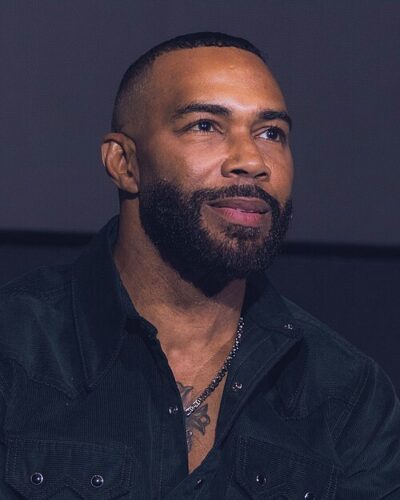
Omari Hardwick
Omari Hardwick is an American actor. Born January 9, 1974, in Savannah. Educated at University of Georgia and Marist School.
Facts
11 facts · 1 confirmed by two sources · 2 cited · 8 from one source
Where this comes from
Papalocal keeps its own record. It started from these sources; what each one said is kept here as it was copied, so a change on their side never changes this page by itself. Tap one to read its version.
What Wikidata says · copied November 15, 2026 · revision 2567599557
- Described as
- American actor
- Other names
- Omari Latif Hardwick
- Born
- January 9, 1974
- Born in
- Savannah · 1 reference
- Citizen of
- United States
- Occupation
- actor · 1 reference; stage actor; television actor; film producer · 1 reference
- Education
- University of Georgia · 1 reference; Marist School · 1 reference
- Member of
- Alpha Phi Alpha
- Website
- http://www.omarihardwick.com
- Wikipedias with a page
- 26
Wikidata item Q7089885 (wikidata.org/wiki/Q7089885), public domain (CC0). Copied November 15, 2026.
What Wikipedia says · copied November 15, 2026 · revision 1384668016
Omari Latif Hardwick (born January 9, 1974) is an American actor. He is known for his starring role as James St. Patrick/Ghost, the protagonist of Starz's Power and his role as Vanderohe in Zack Snyder's Army of the Dead (2021). He is also known for his roles in Saved and Dark Blue, in Spike Lee's Miracle at St. Anna (2008), Kick-Ass (2010), Tyler Perry's For Colored Girls (2010), and as Andre in BET Network's Being Mary Jane.
Hardwick earned a 2025 Grammy Award for Best Spoken Word Poetry Album nomination for the album Concrete & Whiskey Act II Part 1: A Bourbon 30 Series. For the 2026 Grammy Awards, he got a nomination for his album Pages for the Best Spoken Word Poetry Album.
- Born, in its opening lines
- January 9, 1974
From the Wikipedia article “Omari Hardwick” (en.wikipedia.org/wiki/Omari_Hardwick), by its contributors, under CC BY-SA 4.0 (creativecommons.org/licenses/by-sa/4.0/). Copied November 15, 2026; not changed.
Confirmed Two sources agree. Cited One source, and it names where it got it. One source One source, without a reference of its own. Sources disagree The sources disagree. We show the best-supported value and keep theirs below.
