
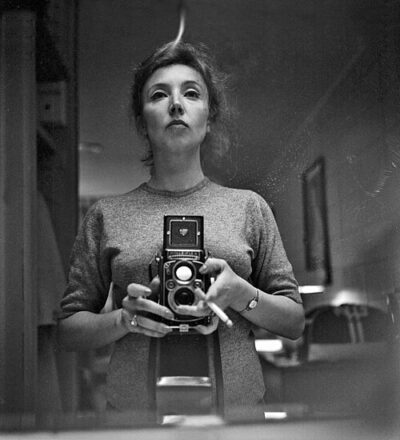
Oriana Fallaci
Oriana Fallaci was an Italian journalist. Born June 29, 1929, in Florence. Died September 15, 2006, in Florence. Educated at University of Florence and Liceo classico statale Galileo. Awards include Gold medal for merit in school, culture and art, Ambrogino d'oro and Bancarella Literary Prize.
Facts
25 facts · 2 confirmed by two sources · 4 cited · 19 from one source
Where this comes from
Papalocal keeps its own record. It started from these sources; what each one said is kept here as it was copied, so a change on their side never changes this page by itself. Tap one to read its version.
What Wikidata says · copied November 16, 2026 · revision 2565594400
- Described as
- Italian journalist (1929–2006)
- Born
- June 29, 1929 · 8 references
- Died
- September 15, 2006 · 7 references
- Born in
- Florence · 1 reference
- Died in
- Florence · 1 reference
- Buried in
- Cimitero Evangelico agli Allori
- Cause of death
- lung cancer
- Citizen of
- Italy (1946–); Kingdom of Italy (–1946)
- Occupation
- war correspondent; politician; writer · 2 references; journalist · 2 references; partisan
- Political party
- Action Party
- Education
- University of Florence; Liceo classico statale Galileo
- Awards
- Gold medal for merit in school, culture and art; Ambrogino d'oro; Bancarella Literary Prize (1970) · 1 reference
- Field
- journalist
- Father
- Edoardo Fallaci
- Mother
- Tosca Cantini
- Siblings
- Neera Fallaci; Paola Fallaci
- Religion
- atheism
- Wikipedias with a page
- 77
Wikidata item Q153700 (wikidata.org/wiki/Q153700), public domain (CC0). Copied November 16, 2026.
What Wikipedia says · copied November 16, 2026 · revision 1384719755
Oriana Fallaci (Italian: [oˈrjaːna falˈlaːtʃi]; 29 June 1929 – 15 September 2006) was an Italian journalist and author. As a teenager she joined the Italian resistance movement during World War II, and later had a long and successful journalistic career. Fallaci became famous worldwide for her coverage of war and revolution, and her "long, aggressive and revealing interviews" with many world leaders during the 1960s, 1970s, and 1980s. She received various prizes for her work as a journalist and later wrote a number of best selling books.
Fallaci's book Interview with History contains interviews with Indira Gandhi, Golda Meir, Yasser Arafat, Zulfikar Ali Bhutto, Willy Brandt, Shah of Iran Mohammad Reza Pahlavi, Ruhollah Khomeini, Henry Kissinger, South Vietnamese president Nguyễn Văn Thiệu, and North Vietnamese general Võ Nguyên Giáp during the Vietnam War. The interview with Kissinger was published in The New Republic. Kissinger later wrote that it was "the single most disastrous conversation I have ever had with any member of the press".
She grew up during WWII in Italy and much of her career was focused on reporting from war zones, with the associated dangers. In 1968 Mexican soldiers shot her three times, and left her for dead. But she continued to go and report from zones of conflict. After retirement in New York, following the September 11th terrorist attacks in 2001, she wrote some articles and books critical of Islam that gained popular support but also led to accusations of Islamophobia.
- Born, in its opening lines
- June 29, 1929
- Died, in its opening lines
- September 15, 2006
From the Wikipedia article “Oriana Fallaci” (en.wikipedia.org/wiki/Oriana_Fallaci), by its contributors, under CC BY-SA 4.0 (creativecommons.org/licenses/by-sa/4.0/). Copied November 16, 2026; not changed.
Confirmed Two sources agree. Cited One source, and it names where it got it. One source One source, without a reference of its own. Sources disagree The sources disagree. We show the best-supported value and keep theirs below.
