
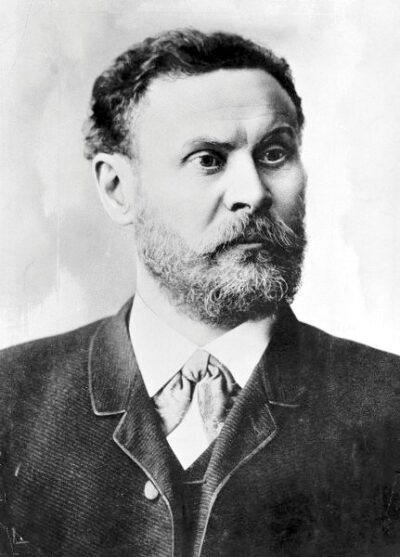
Otto Lilienthal
Otto Lilienthal was a German aviation pioneer. Born May 23, 1848, in Anklam. Died August 10, 1896, in Berlin. Known for Composition Toy Building-Block (US233780A). Awards include Rudolf-Diesel-Medaille.
Facts
20 facts · 2 confirmed by two sources · 8 cited · 10 from one source
Where this comes from
Papalocal keeps its own record. It started from these sources; what each one said is kept here as it was copied, so a change on their side never changes this page by itself. Tap one to read its version.
What Wikidata says · copied November 16, 2026 · revision 2569004048
- Described as
- German aviation pioneer (1848-1896)
- Other names
- Karl Wilhelm Otto Lilienthal
- Born
- May 23, 1848 · 8 references
- Died
- August 10, 1896 · 7 references
- Born in
- Anklam · 1 reference
- Died in
- Berlin · 1 reference
- Buried in
- Berlin
- Cause of death
- aviation accident
- Name at birth
- Karl Wilhelm Otto Lilienthal
- Citizen of
- Kingdom of Prussia
- Occupation
- military flight engineer; aircraft pilot · 1 reference; inventor; theatre manager · 1 reference; playwright · 1 reference; actor · 1 reference; engineer · 1 reference
- Known for
- Composition Toy Building-Block (US233780A)
- Awards
- Rudolf-Diesel-Medaille
- Field
- aerospace engineering
- Siblings
- Marie Squire; Gustav Lilienthal · 1 reference
- Wikipedias with a page
- 64
Wikidata item Q57162 (wikidata.org/wiki/Q57162), public domain (CC0). Copied November 16, 2026.
What Wikipedia says · copied November 16, 2026 · revision 1383864002
Karl Wilhelm Otto Lilienthal (German pronunciation: [ˈkaʁl ˈvɪlhɛlm ˈʔɔto ˈliːliəntaːl]; 23 May 1848 – 10 August 1896) was a German pioneer of aviation who became known as the "flying man". He was the first person to make well-documented, repeated, successful flights with gliders, therefore making the idea of heavier-than-air aircraft a reality. Newspapers and magazines published photographs of Lilienthal gliding, favourably influencing public and scientific opinion about the possibility of flying machines becoming practical.
Lilienthal's work led to his developing the concept of the modern wing. His flight attempts in 1891 are seen as the beginning of human flight and the "Lilienthal Normalsegelapparat" is considered the first airplane in series production, making the Maschinenfabrik Otto Lilienthal in Berlin the first airplane production company in the world. He has been referred to as the "father of aviation" and "father of flight".
On 9 August 1896, Lilienthal's glider stalled and he was unable to regain control. Falling from about 15 metres (49 ft), he broke his neck and died the next day.
- Born, in its opening lines
- May 23, 1848
- Died, in its opening lines
- August 10, 1896
From the Wikipedia article “Otto Lilienthal” (en.wikipedia.org/wiki/Otto_Lilienthal), by its contributors, under CC BY-SA 4.0 (creativecommons.org/licenses/by-sa/4.0/). Copied November 16, 2026; not changed.
Confirmed Two sources agree. Cited One source, and it names where it got it. One source One source, without a reference of its own. Sources disagree The sources disagree. We show the best-supported value and keep theirs below.
