
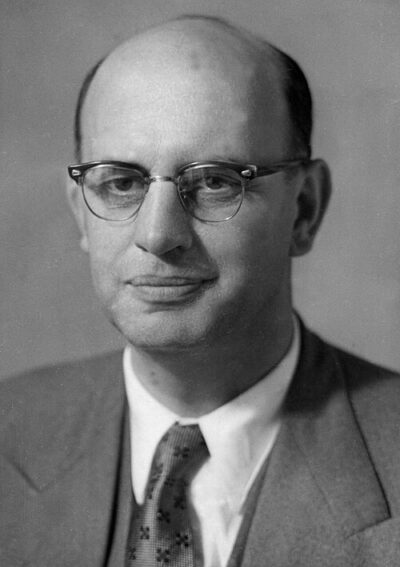
P. W. Botha
P. W. Botha was a South African prime minister. Born January 12, 1916, in Paul Roux. Died October 31, 2006, in Wilderness. Positions held include State President of South Africa (1984–1989), Prime Minister of South Africa (1978–1984) and Minister of Defence of South Africa. Educated at University of the Free State and Bethlehem Voortrekker High School. Awards include Order of Good Hope, Order of Propitious Clouds and Decoration for Meritorious Services.
Facts
22 facts · 2 confirmed by two sources · 6 cited · 14 from one source
Where this comes from
Papalocal keeps its own record. It started from these sources; what each one said is kept here as it was copied, so a change on their side never changes this page by itself. Tap one to read its version.
What Wikidata says · copied November 16, 2026 · revision 2567995854
- Described as
- South African prime minister (1916–2006)
- Other names
- Pieter Willem Botha
- Born
- January 12, 1916 · 5 references
- Died
- October 31, 2006 · 10 references
- Born in
- Paul Roux · 1 reference
- Died in
- Wilderness
- Cause of death
- myocardial infarction
- Citizen of
- South Africa · 1 reference
- Occupation
- politician · 1 reference; minister · 1 reference
- Positions held
- State President of South Africa (1984–1989); Prime Minister of South Africa (1978–1984); Minister of Defence of South Africa
- Political party
- National Party
- Education
- University of the Free State; Bethlehem Voortrekker High School
- Awards
- Order of Good Hope · 1 reference; Order of Propitious Clouds · 1 reference; Decoration for Meritorious Services · 1 reference
- Spouse
- Anna Elizabeth Botha · 1 reference
- Father
- Pieter Willem Botha · 1 reference
- Mother
- Hendrina Christina de Wet · 1 reference
- Religion
- Nederduitse Gereformeerde Kerk
- Nickname
- The Big Crocodile
- Wikipedias with a page
- 58
Wikidata item Q212286 (wikidata.org/wiki/Q212286), public domain (CC0). Copied November 16, 2026.
What Wikipedia says · copied November 16, 2026 · revision 1381781317
Pieter Willem Botha, (locally BOOR-tə, Afrikaans pronunciation: [ˈpitər ˈvələm ˈbuəta]; 12 January 1916 – 31 October 2006) was a South African politician who served as the last Prime Minister of South Africa from 1978 to 1984 and as the first executive State President of South Africa from 1984 until his resignation in 1989. Nicknamed 'Die Groot Krokodil' (Afrikaans for 'The Big Crocodile') due to his tough political stance, he was considered the final hardline leader of South Africa during the apartheid era.
Born on a small farm in the Orange Free State in 1916, Botha was raised in a conservative Afrikaner family with strong nationalist beliefs. Botha studied law at Grey University College but left before completing his degree to pursue a career in politics. He became involved in the National Party's youth wing and worked as a political organizer, laying the foundation for his rise within the party. In 1939 he joined the Ossewabrandwag, an organization which was sympathetic to the German Nazi Party, but in 1941 he began to identify as a Christian nationalist and was expelled from the organization. In the 1948 general election, he was elected to the House of Assembly as the MP from George, a position he held for over four decades. His influence within the party grew, and in 1958, he was appointed Deputy Minister of Internal Affairs by Prime Minister Hendrik Verwoerd. In 1961, Botha became Minister of Community Development and Coloured Affairs, overseeing forced removals, including the controversial clearance of District Six. His role expanded in 1966, when he was appointed Minister of Defence by Prime Minister John Vorster. During his tenure, he transformed the South African Defense Forces, increasing military spending, implementing conscription, and launching covert operations against anti-apartheid movements. Botha also played a key role in South Africa's nuclear weapons program and its military interventions in Angola and Namibia during the Cold War.
Botha was elected leader of the National Party and assumed office as Prime Minister on 4 September 1978, following the resignation of John Vorster. His tenure was marked by a focus on maintaining apartheid through military expansion and internal security measures while introducing limited reforms, such as the Tricameral Parliament in 1983, which granted limited political representation to Coloured and Indian South Africans, but excluded Black South Africans. The 1983 referendum on the Tricameral Parliament passed with support from white voters. In 1984, Botha became South Africa's first executive State President, consolidating executive power and continuing apartheid policies. His presidency faced increasing internal unrest, protests, and international sanctions. After suffering a stroke in 1989, he resigned as Leader of the National Party and later State President, and was succeeded by F. W. de Klerk.
After resigning as State President, Botha remained influential in South African politics. He opposed the reforms initiated by de Klerk, particularly the negotiations to dismantle apartheid and the unbanning of the ANC, and advocated for a no vote in the 1992 referendum. Botha became a vocal critic of the move toward democracy, maintaining his belief in the necessity of apartheid. In the late 1990s, he faced legal challenges related to his role in the apartheid-era policies, notably during the Truth and Reconciliation Commission hearings, where he was called to account for his actions but refused to fully cooperate. Botha's health continued to decline, and he died on 31 October 2006, at the age of 90.
- Born, in its opening lines
- January 12, 1916
- Died, in its opening lines
- October 31, 2006
From the Wikipedia article “P. W. Botha” (en.wikipedia.org/wiki/P._W._Botha), by its contributors, under CC BY-SA 4.0 (creativecommons.org/licenses/by-sa/4.0/). Copied November 16, 2026; not changed.
Confirmed Two sources agree. Cited One source, and it names where it got it. One source One source, without a reference of its own. Sources disagree The sources disagree. We show the best-supported value and keep theirs below.
