
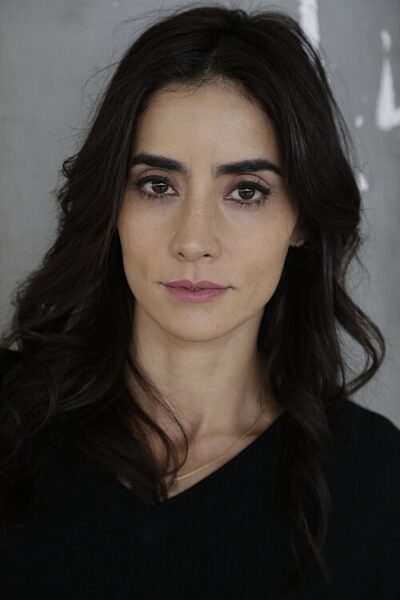
Paola Núñez is a Mexican actress. Born April 8, 1978, in Tijuana.
Facts
8 facts · 1 confirmed by two sources · 2 cited · 5 from one source
Where this comes from
Papalocal keeps its own record. It started from these sources; what each one said is kept here as it was copied, so a change on their side never changes this page by itself. Tap one to read its version.
What Wikidata says · copied November 17, 2026 · revision 2549381734
- Described as
- Mexican actress
- Other names
- Paola Núnez, Paola Nuñez, Paola Nunez
- Born
- April 8, 1978 · 1 reference
- Born in
- Tijuana · 1 reference
- Citizen of
- Mexico · 1 reference
- Occupation
- actor · 1 reference; film producer; television actor; film actor · 1 reference
- Website
- http://www.paolanunez.com/
- Wikipedias with a page
- 26
Wikidata item Q3443583 (wikidata.org/wiki/Q3443583), public domain (CC0). Copied November 17, 2026.
What Wikipedia says · copied November 17, 2026 · revision 1365359890
Paola Núñez Rivas (born 8 April 1978) is a Mexican actress. She became known for her role as Barbie in Amor en Custodia (2005), a TV Azteca telenovela, and for her role as Evelyn Marcus in the Netflix series Resident Evil (2022).
She began her career on theatrical stages at the age of 12, years later in 1995 she would begin to participate in television. She is a graduate of the TV Azteca acting school, CEFAC.
Paola has enjoyed some success, with starring roles in telenovelas such as Las Juanas (2004), Mientras Haya Vida (2007), Pasión Morena (2009) and Reina de Corazón (2014). In cinema, Paola has appeared in films such as Deseo (2013), Detrás del Poder (2013), El Más Buscado (2014), El Cumple De La Abuela (2015), Bad Boys for Life (2020) and Bad Boys: Ride or Die (2024).
- Born, in its opening lines
- April 8, 1978
From the Wikipedia article “Paola Núñez” (en.wikipedia.org/wiki/Paola_Núñez), by its contributors, under CC BY-SA 4.0 (creativecommons.org/licenses/by-sa/4.0/). Copied November 17, 2026; not changed.
Confirmed Two sources agree. Cited One source, and it names where it got it. One source One source, without a reference of its own. Sources disagree The sources disagree. We show the best-supported value and keep theirs below.
