
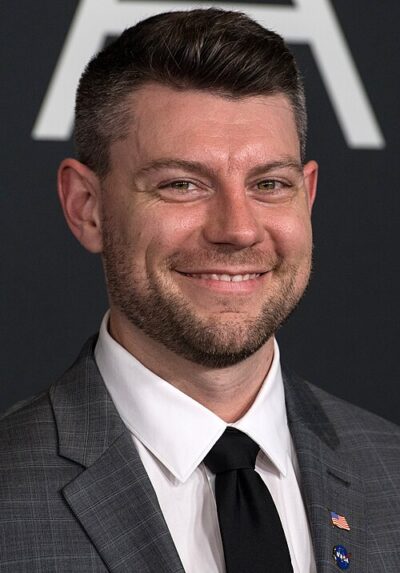
Patrick Fugit
Patrick Fugit is an American actor. Born October 27, 1982, in Salt Lake City. Educated at East High School.
Facts
10 facts · 1 confirmed by two sources · 1 cited · 8 from one source
Where this comes from
Papalocal keeps its own record. It started from these sources; what each one said is kept here as it was copied, so a change on their side never changes this page by itself. Tap one to read its version.
What Wikidata says · copied November 15, 2026 · revision 2559601476
- Described as
- American actor
- Other names
- Patrick Raymond Fugit
- Born
- October 27, 1982
- Born in
- Salt Lake City
- Name at birth
- Patrick Raymond Fugit
- Citizen of
- United States
- Occupation
- actor · 1 reference; television actor; skateboarder; film actor
- Education
- East High School
- Sport
- skateboarding
- Wikipedias with a page
- 31
Wikidata item Q465152 (wikidata.org/wiki/Q465152), public domain (CC0). Copied November 15, 2026.
What Wikipedia says · copied November 15, 2026 · revision 1378463330
Patrick Raymond Fugit (; born October 27, 1982) is an American actor. His breakout role was William Miller in the comedy-drama film Almost Famous (2000), which earned him a Screen Actors Guild Award nomination.
Fugit has also had starring roles in the films Spun (2002), White Oleander (2002), Saved! (2004), Wristcutters: A Love Story (2006), Cirque du Freak: The Vampire's Assistant (2009), We Bought a Zoo (2011), and Thanks for Sharing (2012). He had supporting roles in Gone Girl (2014) and First Man (2018). Fugit had the lead role in the psychological horror film My Heart Can't Beat Unless You Tell It To (2020), which he also produced.
Fugit played the lead role of Kyle Barnes on the Cinemax horror series Outcast (2016–2018). He also had a main role as Pat Montgomery on the HBO Max miniseries Love & Death (2023).
Fugit performed the role of Owen Moore in the 2020 video game The Last of Us Part II.
- Born, in its opening lines
- October 27, 1982
From the Wikipedia article “Patrick Fugit” (en.wikipedia.org/wiki/Patrick_Fugit), by its contributors, under CC BY-SA 4.0 (creativecommons.org/licenses/by-sa/4.0/). Copied November 15, 2026; not changed.
Confirmed Two sources agree. Cited One source, and it names where it got it. One source One source, without a reference of its own. Sources disagree The sources disagree. We show the best-supported value and keep theirs below.
