
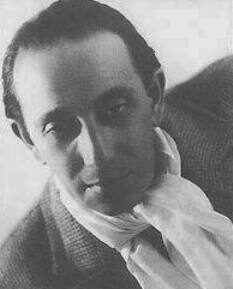
Paul Abraham
Paul Abraham was a Jewish-Hungarian composer. Born November 2, 1892, in Apatin. Died May 6, 1960, in Hamburg.
Facts
13 facts · 2 confirmed by two sources · 6 cited · 5 from one source
Where this comes from
Papalocal keeps its own record. It started from these sources; what each one said is kept here as it was copied, so a change on their side never changes this page by itself. Tap one to read its version.
What Wikidata says · copied November 15, 2026 · revision 2568110777
- Described as
- Jewish-Hungarian composer (1892–1960)
- Born
- November 2, 1892 · 10 references
- Died
- May 6, 1960 · 9 references
- Born in
- Apatin · 3 references
- Died in
- Hamburg · 3 references
- Buried in
- Ohlsdorf Cemetery · 1 reference
- Citizen of
- Hungary · 1 reference; United States; West Germany
- Occupation
- composer · 2 references; conductor · 2 references
- Genre
- opera; operetta
- Instrument
- cello · 1 reference
- Wikipedias with a page
- 32
Wikidata item Q158650 (wikidata.org/wiki/Q158650), public domain (CC0). Copied November 15, 2026.
What Wikipedia says · copied November 15, 2026 · revision 1368692081
Paul Abraham (Hungarian: Ábrahám Pál; 2 November 1892 – 6 May 1960) was a Jewish-Hungarian composer of operettas, who scored major successes in the German-speaking world. His specialty – and own innovation – was the insertion of jazz interludes into operettas.
Abraham was born in Apatin, Austria-Hungary (today Serbia), and studied at the Royal National Hungarian Academy of Music in Budapest from 1910 to 1916. He studied cello with Adolf Schiffer and composition with Viktor Herzfeld.
- Born, in its opening lines
- November 2, 1892
- Died, in its opening lines
- May 6, 1960
From the Wikipedia article “Paul Abraham” (en.wikipedia.org/wiki/Paul_Abraham), by its contributors, under CC BY-SA 4.0 (creativecommons.org/licenses/by-sa/4.0/). Copied November 15, 2026; not changed.
Confirmed Two sources agree. Cited One source, and it names where it got it. One source One source, without a reference of its own. Sources disagree The sources disagree. We show the best-supported value and keep theirs below.
