
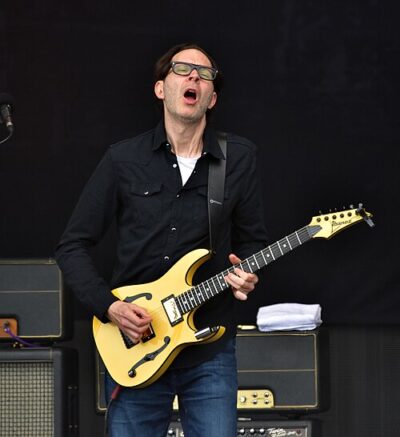
Paul Gilbert
Paul Gilbert is an American guitarist. Born November 6, 1966, in Carbondale. Educated at Musicians Institute.
Facts
11 facts · 1 confirmed by two sources · 2 cited · 8 from one source
Where this comes from
Papalocal keeps its own record. It started from these sources; what each one said is kept here as it was copied, so a change on their side never changes this page by itself. Tap one to read its version.
What Wikidata says · copied November 15, 2026 · revision 2567020630
- Described as
- American guitarist
- Other names
- Paul Brandon Gilbert, Dick Image
- Born
- November 6, 1966
- Born in
- Carbondale · 1 reference
- Citizen of
- United States
- Occupation
- guitarist · 1 reference; composer · 1 reference
- Education
- Musicians Institute
- Member of
- Racer X
- Genre
- hard rock
- Instrument
- guitar
- Record label
- Universal Music Group
- Website
- http://www.paulgilbert.com/
- Wikipedias with a page
- 34
Wikidata item Q315092 (wikidata.org/wiki/Q315092), public domain (CC0). Copied November 15, 2026.
What Wikipedia says · copied November 15, 2026 · revision 1384644116
Paul Brandon Gilbert (born November 6, 1966) is an American hard rock and heavy metal guitarist. He is the co-founder of the band Mr. Big, and was also a member of Racer X, with whom he released several albums. In 1996, Gilbert launched a solo career, for which he has released numerous solo albums, and featured in numerous collaborations and guest appearances on other musicians' albums.
Gilbert was voted fourth-best on Guitar One magazine's 2007 "Top 10 Greatest Guitar Shredders of All Time". He was also ranked in Guitar World's 2008 list, "50 Fastest Guitarists of All Time". Gilbert was ranked number one in Loudwire Magazine's list of "10 Stupidly Fast Guitarists in Metal".
- Born, in its opening lines
- November 6, 1966
From the Wikipedia article “Paul Gilbert” (en.wikipedia.org/wiki/Paul_Gilbert), by its contributors, under CC BY-SA 4.0 (creativecommons.org/licenses/by-sa/4.0/). Copied November 15, 2026; not changed.
Confirmed Two sources agree. Cited One source, and it names where it got it. One source One source, without a reference of its own. Sources disagree The sources disagree. We show the best-supported value and keep theirs below.
