
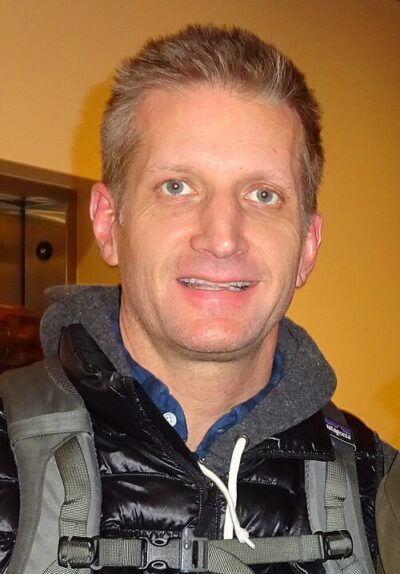
Paul Sparks
Paul Sparks is an American actor. Born October 16, 1971, in Lawton. Educated at New York University Tisch School of the Arts and Oklahoma State University.
Facts
10 facts · 1 confirmed by two sources · 2 cited · 7 from one source
Where this comes from
Papalocal keeps its own record. It started from these sources; what each one said is kept here as it was copied, so a change on their side never changes this page by itself. Tap one to read its version.
What Wikidata says · copied November 16, 2026 · revision 2566778809
- Described as
- American actor
- Born
- October 16, 1971 · 2 references
- Born in
- Lawton · 1 reference
- Citizen of
- United States
- Occupation
- stage actor; film actor; television actor; actor · 1 reference
- Education
- New York University Tisch School of the Arts; Oklahoma State University
- Spouse
- Annie Parisse
- Wikipedias with a page
- 20
Wikidata item Q7153714 (wikidata.org/wiki/Q7153714), public domain (CC0). Copied November 16, 2026.
What Wikipedia says · copied November 16, 2026 · revision 1374674284
Paul Sparks (born October 16, 1971) is an American actor. He is known for his roles as gangster Mickey Doyle in the HBO period drama series Boardwalk Empire, writer Thomas Yates in the Netflix political drama series House of Cards, mall owner John Breem in the Apple TV+ comedy-drama series Physical, attorney David Tellis in the Starz anthology drama series The Girlfriend Experience, and a recurring role in the limited series The Night Of. Sparks has also starred in the films Deception (2008), Afterschool (2008), The Missing Person (2008), Mud (2012), Parkland (2013), Stealing Cars (2015), Thoroughbreds (2017), and The Greatest Showman (2017).
- Born, in its opening lines
- October 16, 1971
From the Wikipedia article “Paul Sparks” (en.wikipedia.org/wiki/Paul_Sparks), by its contributors, under CC BY-SA 4.0 (creativecommons.org/licenses/by-sa/4.0/). Copied November 16, 2026; not changed.
Confirmed Two sources agree. Cited One source, and it names where it got it. One source One source, without a reference of its own. Sources disagree The sources disagree. We show the best-supported value and keep theirs below.
