
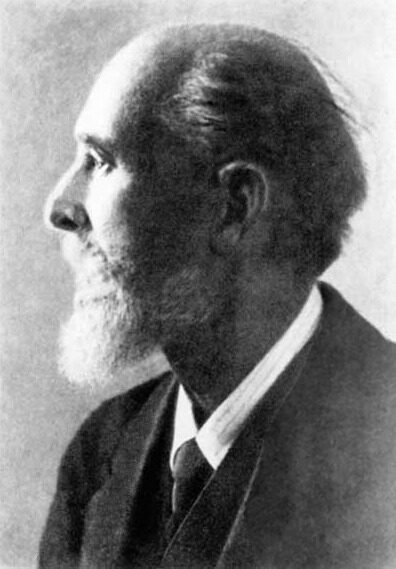
Peter Carl Fabergé
Peter Carl Fabergé was a Russian jeweller. Born May 30, 1846, in Saint Petersburg. Died September 24, 1920, in Pully. Known for Fabergé egg. Educated at Saint Peter's School and Annenschule. Awards include Order of Saint Anna, 2nd class, Order of Saint Stanislaus, 3rd class and Honorary Citizen of the Russian Empire.
Facts
25 facts · 2 confirmed by two sources · 4 cited · 19 from one source
Where this comes from
Papalocal keeps its own record. It started from these sources; what each one said is kept here as it was copied, so a change on their side never changes this page by itself. Tap one to read its version.
What Wikidata says · copied November 16, 2026 · revision 2558213756
- Described as
- Russian jeweller (1846–1920)
- Other names
- Karl Gustavovich Faberzhe, Charles Faberge, Petr Karl Faberge, Karl Gustavovich Fabergé, Peter Carl Gustavovitch Fabergé, Karl Gustavovich Faberge, Carl Peter Faberge, Pierre-Karl Faberge, Karl Gustavovič Fabergé, Carl Gustavovitch Faberge, Peter Carl Gustavovitch Faberge, Petr Karl Fabergé
- Born
- May 30, 1846 · 2 references
- Died
- September 24, 1920 · 7 references
- Born in
- Saint Petersburg · 1 reference
- Died in
- Pully
- Buried in
- Cannes (Grand Jas) Cemetery
- Citizen of
- Russian Empire
- Occupation
- inventor; goldsmith · 1 reference
- Education
- Saint Peter's School; Annenschule
- Known for
- Fabergé egg · 1 reference
- Awards
- Order of Saint Anna, 2nd class (1892); Order of Saint Stanislaus, 3rd class (1889); Honorary Citizen of the Russian Empire · 1 reference; Knight of the Legion of Honour (1900) · 1 reference; Order of Civil Merit (1902); Order of Saint Stanislaus, 2nd class (1896)
- Field
- jewelry design
- Spouse
- Augusta Julia Fabergé
- Children
- Eugène Fabergé; Agathon Fabergé; Alexander Julius Fabergé
- Father
- Gustav Fabergé
- Mother
- Charlotte Maria Fabergé
- Siblings
- Agathon Fabergé
- Wikipedias with a page
- 58
Wikidata item Q189762 (wikidata.org/wiki/Q189762), public domain (CC0). Copied November 16, 2026.
What Wikipedia says · copied November 16, 2026 · revision 1375152545
Peter Carl Gustavovich Fabergé (Russian: Петер Карл Густавович Фаберже, romanized: Peter Karl Gustavovich Faberzhe; 30 May [O.S. 18 May] 1846 – 24 September 1920; also known as Charles Fabergé) was a Russian goldsmith and jeweller. He is best known for creating Fabergé eggs made in the style of genuine Easter eggs, but using precious metals and gemstones rather than more mundane materials. He was one of the sons of Gustav Fabergé, the founder of the House of Fabergé.
- Born, in its opening lines
- May 30, 1846
- Died, in its opening lines
- September 24, 1920
From the Wikipedia article “Peter Carl Fabergé” (en.wikipedia.org/wiki/Peter_Carl_Fabergé), by its contributors, under CC BY-SA 4.0 (creativecommons.org/licenses/by-sa/4.0/). Copied November 16, 2026; not changed.
Confirmed Two sources agree. Cited One source, and it names where it got it. One source One source, without a reference of its own. Sources disagree The sources disagree. We show the best-supported value and keep theirs below.
