
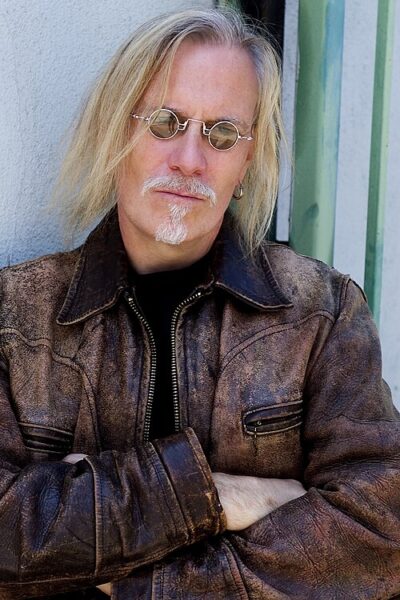
Peter McLaren is a Canadian academic. Born August 2, 1948, in Toronto. Educated at University of Toronto and University of Waterloo.
Facts
10 facts · 1 confirmed by two sources · 3 cited · 6 from one source
Where this comes from
Papalocal keeps its own record. It started from these sources; what each one said is kept here as it was copied, so a change on their side never changes this page by itself. Tap one to read its version.
What Wikidata says · copied November 19, 2026 · revision 2569266528
- Described as
- Canadian academic
- Born
- August 2, 1948
- Born in
- Toronto · 1 reference
- Citizen of
- United States · 1 reference
- Occupation
- sociologist; pedagogue · 1 reference
- Worked for
- University of California, Los Angeles; Miami University · 1 reference
- Education
- University of Toronto; University of Waterloo · 1 reference; Brock University · 1 reference
- Wikipedias with a page
- 12
Wikidata item Q2062175 (wikidata.org/wiki/Q2062175), public domain (CC0). Copied November 19, 2026.
What Wikipedia says · copied November 19, 2026 · revision 1385413191
Peter McLaren (born 2 August 1948) is a Canadian-American scholar and is known as one of the leading architects of critical pedagogy. He is known for his writings on critical literacy, sociology of education, cultural studies, critical ethnography, and Marxist theory.
McLaren is a practicing Catholic and identifies with Catholic social justice teaching and liberation theology. He is a strident critic of Christian nationalism and Catholic Integralism. McLaren helped regenerate Marxist education scholarship and has influenced a new generation of global intellectuals, including Curry Malott, Noah de Lissovoy, Tyson E. Lewis, Derek R. Ford, among many others.
- Born, in its opening lines
- August 2, 1948
From the Wikipedia article “Peter McLaren” (en.wikipedia.org/wiki/Peter_McLaren), by its contributors, under CC BY-SA 4.0 (creativecommons.org/licenses/by-sa/4.0/). Copied November 19, 2026; not changed.
Confirmed Two sources agree. Cited One source, and it names where it got it. One source One source, without a reference of its own. Sources disagree The sources disagree. We show the best-supported value and keep theirs below.
