
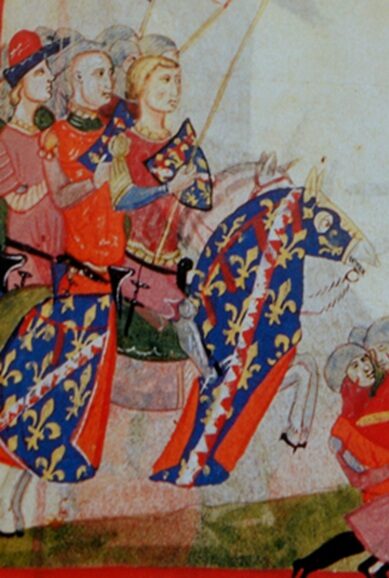
Philip I, Prince of Taranto
Philip I, Prince of Taranto was a Neapolitan nobleman. Born November 10, 1278, in Naples. Died December 26, 1331, in Naples. Positions held include King of Albania.
Facts
33 facts · 2 confirmed by two sources · 5 cited · 26 from one source
What’s different
- Born: we show November 10, 1278 (Confirmed). Wikidata also lists 1276
- Died: we show December 26, 1331 (Confirmed). Wikidata also lists December 24, 1331
Where this comes from
Papalocal keeps its own record. It started from these sources; what each one said is kept here as it was copied, so a change on their side never changes this page by itself. Tap one to read its version.
What Wikidata says · copied November 17, 2026 · revision 2567579017
- Described as
- Neapolitan nobleman
- Other names
- Philip II of Constantinople, Philip I of Taranto
- Born
- November 10, 1278; 1276 · 1 reference
- Died
- December 26, 1331; December 24, 1331 · 1 reference
- Born in
- Naples · 1 reference
- Died in
- Naples · 1 reference
- Buried in
- Basilica of St. Dominic
- Citizen of
- France
- Occupation
- aristocrat
- Positions held
- King of Albania
- Spouse
- Catherine of Valois (1313–) · 1 reference; Thamar Angelina Komnene (1294–) · 1 reference
- Children
- Louis, Prince of Taranto; Robert, Prince of Taranto; Philip II, Prince of Taranto; Joan of Anjou, Queen of Armenia; Philip of Anjou, Despot of Rhomania; Margaret of Taranto; Charles of Taranto; Peter of Taranto; Blanche of Taranto; Margaret of Taranto · 1 reference
- Father
- Charles II of Naples · 1 reference
- Mother
- Mary of Hungary · 1 reference
- Siblings
- Eleanor of Anjou, Queen of Sicily; Blanche of Anjou; Maria of Anjou; Margaret, Countess of Anjou; Louis of Toulouse; Robert, King of Naples; Charles Martel of Anjou; Raymond Berengar of Andria; Peter Tempesta; John of Gravina
- Religion
- Catholicism
- Wikipedias with a page
- 25
Wikidata item Q712759 (wikidata.org/wiki/Q712759), public domain (CC0). Copied November 17, 2026.
What Wikipedia says · copied November 17, 2026 · revision 1386250327
Philip I (10 November 1278 – 26 December 1331) was the lord of the Kingdom of Albania and prince of Achaea and Taranto. He also held the title despot of Romania and claimed the Latin Empire of Constantinople as Philip II by marriage to Catherine of Valois.
Born in Naples, Philip was a younger son of King Charles II of Naples and Maria of Hungary.
- Born, in its opening lines
- November 10, 1278
- Died, in its opening lines
- December 26, 1331
From the Wikipedia article “Philip I of Taranto” (en.wikipedia.org/wiki/Philip_I_of_Taranto), by its contributors, under CC BY-SA 4.0 (creativecommons.org/licenses/by-sa/4.0/). Copied November 17, 2026; not changed.
Confirmed Two sources agree. Cited One source, and it names where it got it. One source One source, without a reference of its own. Sources disagree The sources disagree. We show the best-supported value and keep theirs below.
