
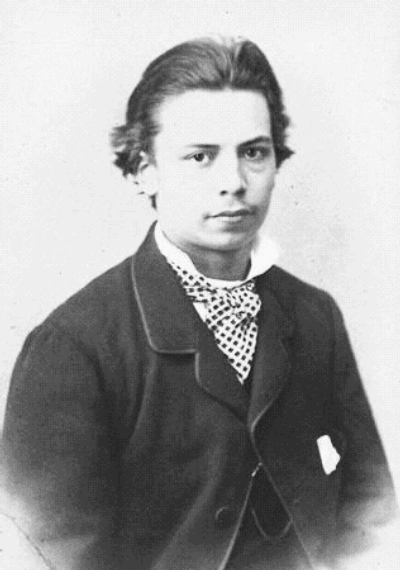
Philipp Mainländer
Philipp Mainländer was a German poet and philosopher. Born 1841, in Offenbach am Main. Died April 1, 1876, in Offenbach am Main. Known for Die Philosophie der Erlösung. Educated at Kreuzschule.
Facts
12 facts · 2 confirmed by two sources · 5 cited · 5 from one source
What’s different
- Born: we show 1841 (Confirmed). Wikidata also lists October 5, 1841
Where this comes from
Papalocal keeps its own record. It started from these sources; what each one said is kept here as it was copied, so a change on their side never changes this page by itself. Tap one to read its version.
What Wikidata says · copied November 16, 2026 · revision 2569084175
- Described as
- German poet and philosopher (1841–1876)
- Other names
- Philipp Batz
- Born
- 1841 · 5 references; October 5, 1841
- Died
- April 1, 1876
- Born in
- Offenbach am Main · 1 reference
- Died in
- Offenbach am Main · 1 reference
- Cause of death
- hanging to death
- Name at birth
- Philipp Batz Mainländer · 1 reference
- Citizen of
- Grand Duchy of Hesse
- Occupation
- poet; philosopher · 1 reference; writer · 1 reference
- Education
- Kreuzschule
- Known for
- Die Philosophie der Erlösung
- Wikipedias with a page
- 37
Wikidata item Q76177 (wikidata.org/wiki/Q76177), public domain (CC0). Copied November 16, 2026.
What Wikipedia says · copied November 16, 2026 · revision 1385054264
Philipp Mainländer (German: [ˈmaɪ̯nlɛndɐ]; 5 October 1841 – 1 April 1876) was a German philosopher and poet. Born Philipp Batz, he later changed his name to "Mainländer" in homage to his hometown, Offenbach am Main. Mainländer is best known for his pessimistic cosmic philosophy, deeply influenced by Arthur Schopenhauer.
In his central work, The Philosophy of Redemption, Mainländer argued that non-existence is preferable to existence, positing that the universe originated from a primordial divine fragmentation, that God committed cosmic suicide by shattering himself into the time-bound, fragmented physical matter. Mainländer believed that everything in life, matter, and celestial bodies is the decaying corpse of this original entity driven by a cosmic "will to die", challenging Schopenhauer's "will to live" and is steadily progressing toward absolute nothingness.
Driven by his philosophical conviction that individual annihilation aligns with the universe's ultimate goal, Mainländer hanged himself on April 1, 1876, the day after the publication of his masterwork, believing it was the literal and ultimate fulfilment of his own philosophy. According to Theodor Lessing, "perhaps the most radical system of pessimism known to philosophical literature" – Mainländer proclaims that life is of negative value, and that "the will, ignited by the knowledge that non-being is better than being, is the supreme principle of morality."
- Born, in its opening lines
- October 5, 1841
- Died, in its opening lines
- April 1, 1876
From the Wikipedia article “Philipp Mainländer” (en.wikipedia.org/wiki/Philipp_Mainländer), by its contributors, under CC BY-SA 4.0 (creativecommons.org/licenses/by-sa/4.0/). Copied November 16, 2026; not changed.
Confirmed Two sources agree. Cited One source, and it names where it got it. One source One source, without a reference of its own. Sources disagree The sources disagree. We show the best-supported value and keep theirs below.
