
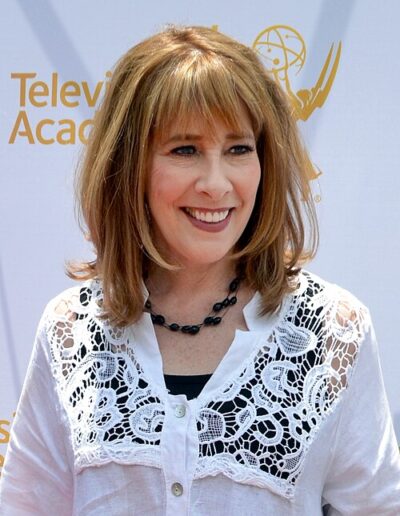
Phyllis Logan
Phyllis Logan is a Scottish actress. Born January 11, 1956, in Paisley. Educated at Royal Conservatoire of Scotland. Awards include Screen Actors Guild Award for Outstanding Performance by an Ensemble in a Drama Series and BAFTA Award for Most Promising Newcomer to Leading Film Roles.
Facts
9 facts · 1 confirmed by two sources · 3 cited · 5 from one source
Where this comes from
Papalocal keeps its own record. It started from these sources; what each one said is kept here as it was copied, so a change on their side never changes this page by itself. Tap one to read its version.
What Wikidata says · copied November 17, 2026 · revision 2568937779
- Described as
- Scottish actress
- Born
- January 11, 1956
- Born in
- Paisley · 1 reference
- Citizen of
- United Kingdom
- Occupation
- actor · 1 reference; film actor
- Education
- Royal Conservatoire of Scotland
- Awards
- Screen Actors Guild Award for Outstanding Performance by an Ensemble in a Drama Series (2013); BAFTA Award for Most Promising Newcomer to Leading Film Roles (1984)
- Spouse
- Kevin McNally (1994–) · 1 reference
- Wikipedias with a page
- 26
Wikidata item Q117995 (wikidata.org/wiki/Q117995), public domain (CC0). Copied November 17, 2026.
What Wikipedia says · copied November 17, 2026 · revision 1378074761
Phyllis Logan (born 11 January 1956) is a Scottish actress, widely known for her roles as Lady Jane Felsham in Lovejoy (1986–1993) and Mrs Hughes in Downton Abbey (2010–2015). She won the BAFTA Award for Most Promising Newcomer for the 1983 film Another Time, Another Place and was nominated for BAFTA Award for Best Actress in a Leading Role for the same film. Her other film appearances include Secrets & Lies (1996), Shooting Fish (1997), Downton Abbey (2019) and Misbehaviour (2020).
- Born, in its opening lines
- January 11, 1956
From the Wikipedia article “Phyllis Logan” (en.wikipedia.org/wiki/Phyllis_Logan), by its contributors, under CC BY-SA 4.0 (creativecommons.org/licenses/by-sa/4.0/). Copied November 17, 2026; not changed.
Confirmed Two sources agree. Cited One source, and it names where it got it. One source One source, without a reference of its own. Sources disagree The sources disagree. We show the best-supported value and keep theirs below.
