
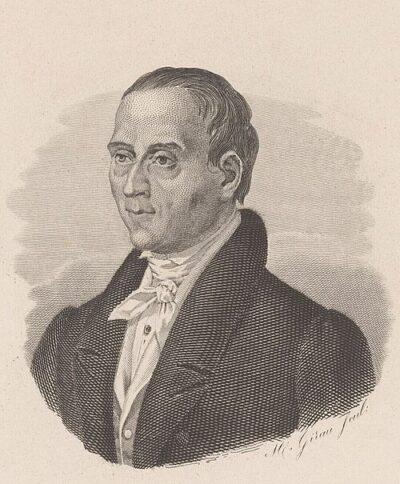
Pier Antonio Micheli
Pier Antonio Micheli was an Italian botanist. Born December 11, 1679, in Florence. Died January 2, 1737, in Florence.
Facts
12 facts · 1 confirmed by two sources · 1 cited · 9 from one source · 1 where the sources disagree
What’s different
- Died: we show January 2, 1737 (Sources disagree). Wikipedia says January 1, 1737
Where this comes from
Papalocal keeps its own record. It started from these sources; what each one said is kept here as it was copied, so a change on their side never changes this page by itself. Tap one to read its version.
What Wikidata says · copied November 18, 2026 · revision 2564380391
- Described as
- Italian botanist (1679-1737)
- Other names
- P.Micheli, Petrus Antonius Michelius
- Born
- December 11, 1679
- Died
- January 2, 1737 · 1 reference
- Born in
- Florence
- Died in
- Florence
- Buried in
- Santa Maria degli Alberighi
- Cause of death
- lung disease
- Occupation
- botanist · 1 reference; mycologist
- Worked for
- Cosimo III de' Medici, Grand Duke of Tuscany (1706–1723); Gian Gastone de' Medici (1723–1737)
- Field
- botany; mycology
- Wikipedias with a page
- 21
Wikidata item Q948840 (wikidata.org/wiki/Q948840), public domain (CC0). Copied November 18, 2026.
What Wikipedia says · copied November 18, 2026 · revision 1297326119
Pier Antonio Micheli (11 December 1679 – 1 January 1737) was a noted Italian botanist, professor of botany in Pisa, curator of the Orto Botanico di Firenze, author of Nova plantarum genera iuxta Tournefortii methodum disposita. Micheli is considered the founder of mycology. He discovered the spores of mushrooms, was a leading authority on cryptogams, and coined several important genera of microfungi including Aspergillus and Botrytis.
- Born, in its opening lines
- December 11, 1679
- Died, in its opening lines
- January 1, 1737
From the Wikipedia article “Pier Antonio Micheli” (en.wikipedia.org/wiki/Pier_Antonio_Micheli), by its contributors, under CC BY-SA 4.0 (creativecommons.org/licenses/by-sa/4.0/). Copied November 18, 2026; not changed.
Confirmed Two sources agree. Cited One source, and it names where it got it. One source One source, without a reference of its own. Sources disagree The sources disagree. We show the best-supported value and keep theirs below.
