
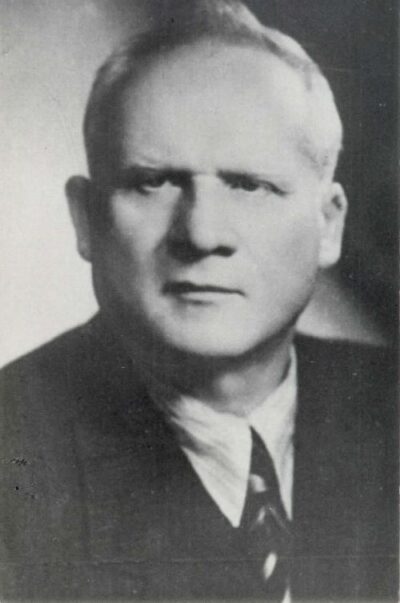
Prežihov Voranc
Prežihov Voranc was a Slovenian writer. Born August 10, 1893, in Ravne na Koroškem. Died February 18, 1950, in Maribor. Awards include Prešeren Award and Levstik Award.
Facts
15 facts · 2 confirmed by two sources · 4 cited · 9 from one source
Where this comes from
Papalocal keeps its own record. It started from these sources; what each one said is kept here as it was copied, so a change on their side never changes this page by itself. Tap one to read its version.
What Wikidata says · copied November 18, 2026 · revision 2558218479
- Described as
- Slovenian writer (1893-1950)
- Other names
- Lovro Kuhar
- Born
- August 10, 1893 · 5 references
- Died
- February 18, 1950 · 6 references
- Born in
- Ravne na Koroškem
- Died in
- Maribor · 2 references
- Name at birth
- Lovro Kuhar
- Citizen of
- Federal People's Republic of Yugoslavia; Kingdom of Yugoslavia; Kingdom of Serbs, Croats and Slovenes; Cisleithania
- Occupation
- writer · 2 references; politician · 1 reference; novelist · 1 reference
- Political party
- League of Communists of Yugoslavia
- Awards
- Prešeren Award; Levstik Award (1949)
- Wikipedias with a page
- 20
Wikidata item Q1083392 (wikidata.org/wiki/Q1083392), public domain (CC0). Copied November 18, 2026.
What Wikipedia says · copied November 18, 2026 · revision 1371699186
Prežihov Voranc (10 August 1893 – 18 February 1950) was the pen name of Lovro Kuhar, a Slovene writer and communist political activist. Voranc's literary reputation was established during the 1930s with a series of Slovene novels and short stories in the social realist style, notable for their depictions of poverty in rural and industrial areas of Slovenia. His most important novels are Požganica (1939) and Doberdob (1940).
- Born, in its opening lines
- August 10, 1893
- Died, in its opening lines
- February 18, 1950
From the Wikipedia article “Prežihov Voranc” (en.wikipedia.org/wiki/Prežihov_Voranc), by its contributors, under CC BY-SA 4.0 (creativecommons.org/licenses/by-sa/4.0/). Copied November 18, 2026; not changed.
Confirmed Two sources agree. Cited One source, and it names where it got it. One source One source, without a reference of its own. Sources disagree The sources disagree. We show the best-supported value and keep theirs below.
