
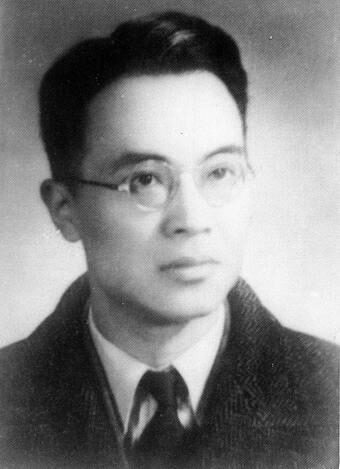
Qian Zhongshu
Qian Zhongshu was a Chinese literary scholar and writer. Born November 21, 1910, in Wuxi. Died December 19, 1998, in Beijing. Known for Fortress Besieged. Educated at Tsinghua University and Exeter College.
Facts
18 facts · 2 confirmed by two sources · 5 cited · 11 from one source
Where this comes from
Papalocal keeps its own record. It started from these sources; what each one said is kept here as it was copied, so a change on their side never changes this page by itself. Tap one to read its version.
What Wikidata says · copied November 16, 2026 · revision 2565551131
- Described as
- Chinese literary scholar and writer (1910–1998)
- Born
- November 21, 1910 · 3 references
- Died
- December 19, 1998 · 3 references
- Born in
- Wuxi
- Died in
- Beijing
- Citizen of
- China; People's Republic of China
- Occupation
- writer · 1 reference; translator; literary scholar · 2 references; man of letters · 1 reference; sinologist · 1 reference
- Worked for
- Tsinghua University
- Education
- Tsinghua University; Exeter College
- Known for
- Fortress Besieged
- Spouse
- Yang Jiang (1935–1998) · 1 reference
- Children
- Qian Yuan
- Father
- Qian Jibo
- Wikipedias with a page
- 31
Wikidata item Q559750 (wikidata.org/wiki/Q559750), public domain (CC0). Copied November 16, 2026.
What Wikipedia says · copied November 16, 2026 · revision 1383581239
Qian Zhongshu (November 21, 1910 – December 19, 1998), also romanized as Ch'ien Chung-shu or Dzien Tsoong-su, was a Chinese literary scholar and writer. He was known for his satirical novel Fortress Besieged; his rarefied, polyglot nonfiction; and his role in translating Mao Zedong’s writings into English.
- Born, in its opening lines
- November 21, 1910
- Died, in its opening lines
- December 19, 1998
From the Wikipedia article “Qian Zhongshu” (en.wikipedia.org/wiki/Qian_Zhongshu), by its contributors, under CC BY-SA 4.0 (creativecommons.org/licenses/by-sa/4.0/). Copied November 16, 2026; not changed.
Confirmed Two sources agree. Cited One source, and it names where it got it. One source One source, without a reference of its own. Sources disagree The sources disagree. We show the best-supported value and keep theirs below.
