
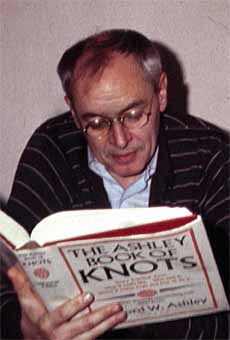
R. D. Laing
R. D. Laing was an unorthodox Scottish psychiatrist. Born October 7, 1927, in Glasgow. Died August 23, 1989, in Saint-Tropez. Known for The Divided Self and The Self and Other. Educated at University of Glasgow.
Facts
21 facts · 2 confirmed by two sources · 2 cited · 17 from one source
Where this comes from
Papalocal keeps its own record. It started from these sources; what each one said is kept here as it was copied, so a change on their side never changes this page by itself. Tap one to read its version.
What Wikidata says · copied November 16, 2026 · revision 2528568098
- Described as
- unorthodox Scottish psychiatrist
- Other names
- Ronald Laing, R.D. Laing, Ronald D. Laing, Ronald David Laing
- Born
- October 7, 1927 · 7 references
- Died
- August 23, 1989 · 9 references
- Born in
- Glasgow
- Died in
- Saint-Tropez
- Buried in
- Western Necropolis · 1 reference
- Cause of death
- myocardial infarction
- Citizen of
- United Kingdom
- Occupation
- military physician; psychiatrist; physician writer; non-fiction writer; military personnel; psychologist; existential therapist; psychoanalyst · 1 reference
- Education
- University of Glasgow
- Known for
- The Divided Self (1955); The Self and Other
- Field
- psychiatry
- Children
- Paul Laing · 1 reference
- Military branch
- British Army
- Wikipedias with a page
- 57
Wikidata item Q238584 (wikidata.org/wiki/Q238584), public domain (CC0). Copied November 16, 2026.
What Wikipedia says · copied November 16, 2026 · revision 1385195782
Ronald David Laing (7 October 1927 – 23 August 1989) was a Scottish psychiatrist who wrote extensively on mental illness, particularly psychosis and schizophrenia. Politically, Laing was regarded as a thinker of the New Left. He has been theatrically portrayed by Mike Maran, Alan Cox, Billy Mack, and David Tennant in the 2017 film Mad to Be Normal.
Laing's views on the causes and treatment of psychopathological phenomena were influenced by his study of existential philosophy and ran counter to the chemical and electroshock methods that had become psychiatric orthodoxy. Laing took the expressed feelings of the individual patient or client as valid descriptions of personal experience rather than simply as symptoms of mental illness. Although associated in the public mind with the anti-psychiatry movement, he rejected the label. Laing regarded schizophrenia as the normal psychological adjustment to a dysfunctional social context.
- Born, in its opening lines
- October 7, 1927
- Died, in its opening lines
- August 23, 1989
From the Wikipedia article “R. D. Laing” (en.wikipedia.org/wiki/R._D._Laing), by its contributors, under CC BY-SA 4.0 (creativecommons.org/licenses/by-sa/4.0/). Copied November 16, 2026; not changed.
Confirmed Two sources agree. Cited One source, and it names where it got it. One source One source, without a reference of its own. Sources disagree The sources disagree. We show the best-supported value and keep theirs below.
