
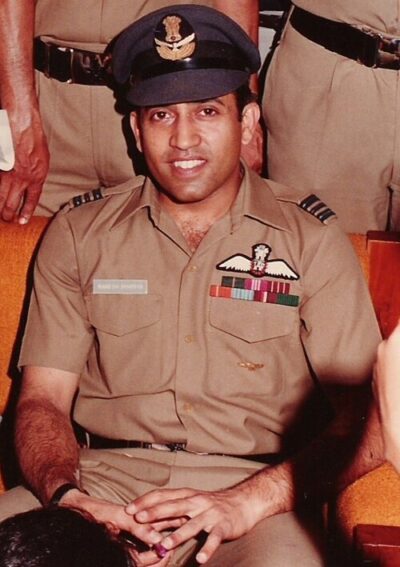
Rakesh Sharma
Rakesh Sharma is a First Indian astronaut. Born January 13, 1949, in Patiala. Educated at North-Eastern Hill University and Osmania University. Awards include Ashoka Chakra, Hero of the Soviet Union and Order of Lenin.
Facts
19 facts · 1 confirmed by two sources · 3 cited · 15 from one source
Where this comes from
Papalocal keeps its own record. It started from these sources; what each one said is kept here as it was copied, so a change on their side never changes this page by itself. Tap one to read its version.
What Wikidata says · copied November 16, 2026 · revision 2514254547
- Described as
- First Indian astronaut
- Other names
- Wing Commander Rakesh Sharma, SQUADRON LEADER RAKESH SHARMA
- Born
- January 13, 1949 · 1 reference
- Born in
- Patiala
- Citizen of
- India
- Occupation
- astronaut; military personnel; aircraft pilot · 1 reference; Research Cosmonaut · 1 reference
- Education
- North-Eastern Hill University; Osmania University; St. Ann's High School, Secunderabad; St. George's Grammar School; Nizam College
- Awards
- Ashoka Chakra (1984) · 1 reference; Hero of the Soviet Union; Order of Lenin; Medal "For Strengthening of Brotherhood in Arms"; Medal "For Merit in Space Exploration"
- Military branch
- Indian Air Force · 1 reference
- Military rank
- squadron leader (1984) · 1 reference
- Wikipedias with a page
- 48
Wikidata item Q325205 (wikidata.org/wiki/Q325205), public domain (CC0). Copied November 16, 2026.
What Wikipedia says · copied November 16, 2026 · revision 1385655571
Rakesh Sharma (born 13 January 1949) is an Indian cosmonaut and a pilot of the Indian Air Force. He became the first Indian to travel to outer space, when he flew aboard Soyuz T-11 on 3 April 1984 as part of the Soviet Interkosmos programme.
- Born, in its opening lines
- January 13, 1949
From the Wikipedia article “Rakesh Sharma” (en.wikipedia.org/wiki/Rakesh_Sharma), by its contributors, under CC BY-SA 4.0 (creativecommons.org/licenses/by-sa/4.0/). Copied November 16, 2026; not changed.
Confirmed Two sources agree. Cited One source, and it names where it got it. One source One source, without a reference of its own. Sources disagree The sources disagree. We show the best-supported value and keep theirs below.
