
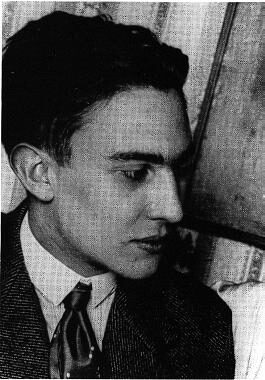
Raymond Radiguet
Raymond Radiguet was a French writer. Born June 18, 1903, in Saint-Maur-des-Fossés. Died December 12, 1923, in rue Piccini. Known for Le Diable au corps and Le bal du Comte d'Orgel. Educated at Lycée Charlemagne.
Facts
18 facts · 2 confirmed by two sources · 8 cited · 7 from one source · 1 where the sources disagree
What’s different
- Buried in: we show Père Lachaise Cemetery (Sources disagree). Wikidata also lists Grave of Radiguet
Where this comes from
Papalocal keeps its own record. It started from these sources; what each one said is kept here as it was copied, so a change on their side never changes this page by itself. Tap one to read its version.
What Wikidata says · copied November 16, 2026 · revision 2567361926
- Described as
- French writer (1903–1923)
- Born
- June 18, 1903 · 10 references
- Died
- December 12, 1923 · 11 references
- Born in
- Saint-Maur-des-Fossés · 1 reference
- Died in
- rue Piccini · 1 reference
- Buried in
- Père Lachaise Cemetery · 1 reference; Grave of Radiguet
- Cause of death
- typhoid fever · 1 reference
- Name at birth
- Raymond Maurice Radiguet
- Citizen of
- France
- Occupation
- writer · 2 references; journalist · 1 reference; poet; novelist; playwright · 1 reference; librettist · 1 reference
- Education
- Lycée Charlemagne
- Known for
- Le Diable au corps (1923); Le bal du Comte d'Orgel (1924)
- Father
- Maurice Radiguet · 1 reference
- Wikipedias with a page
- 48
Wikidata item Q333615 (wikidata.org/wiki/Q333615), public domain (CC0). Copied November 16, 2026.
What Wikipedia says · copied November 16, 2026 · revision 1382982666
Raymond Radiguet (French: [ʁɛmɔ̃ ʁadiɡɛ]; 18 June 1903 – 12 December 1923) was a French novelist and poet. His two novels are notable for their psychological complexity and classical aesthetics, as well as for their controversial subject matter. Radiguet died unexpectedly at the age of twenty after contracting typhoid fever.
Radiguet completed his best-known novel, Le Diable au corps (1923), at the age of seventeen. A succès de scandale upon its publication, the novel is a semi-autobiographical account of an adolescent boy's affair with the wife of a soldier during World War I. A second novel, Le Bal du comte d'Orgel (1924), was published posthumously.
Radiguet associated with many of the important artists of his time, including composers such as Erik Satie and Georges Auric, painters such as Modigliani and Picasso, and writers such as Max Jacob. Most notable among these connections was his intense, likely romantic relationship with Jean Cocteau.
- Born, in its opening lines
- June 18, 1903
- Died, in its opening lines
- December 12, 1923
From the Wikipedia article “Raymond Radiguet” (en.wikipedia.org/wiki/Raymond_Radiguet), by its contributors, under CC BY-SA 4.0 (creativecommons.org/licenses/by-sa/4.0/). Copied November 16, 2026; not changed.
Confirmed Two sources agree. Cited One source, and it names where it got it. One source One source, without a reference of its own. Sources disagree The sources disagree. We show the best-supported value and keep theirs below.
