
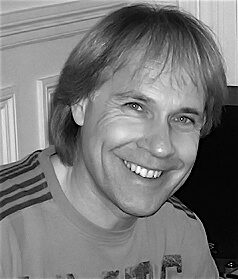
Richard Clayderman is a French pianist. Born December 28, 1953, in 20th arrondissement of Paris. Known for Ballade pour Adeline.
Facts
13 facts · 1 confirmed by two sources · 4 cited · 8 from one source
Where this comes from
Papalocal keeps its own record. It started from these sources; what each one said is kept here as it was copied, so a change on their side never changes this page by itself. Tap one to read its version.
What Wikidata says · copied November 16, 2026 · revision 2560445213
- Described as
- French pianist
- Other names
- Philippe Pagès
- Born
- December 28, 1953 · 5 references
- Born in
- 20th arrondissement of Paris · 2 references
- Name at birth
- Philippe Robert Luc Pagès · 1 reference
- Citizen of
- France
- Occupation
- pianist · 1 reference; composer; music arranger; musician · 1 reference
- Genre
- easy listening
- Instrument
- piano
- Record label
- EMI
- Known for
- Ballade pour Adeline
- Website
- https://www.richardclaydermanofficial.com/
- Wikipedias with a page
- 55
Wikidata item Q240802 (wikidata.org/wiki/Q240802), public domain (CC0). Copied November 16, 2026.
What Wikipedia says · copied November 16, 2026 · revision 1378102683
Richard Clayderman (French pronunciation: [ʁiʃaʁ kledɛʁman]; born Philippe Pagès French pronunciation: [filip paʒɛs], 28 December 1953 in Paris) is a French pianist who has released numerous albums including the compositions of Paul de Senneville, Olivier Toussaint and Marc Minier, instrumental renditions of popular music, rearrangements of movie soundtracks, ethnic music, and easy-listening arrangements of popular works of classical music.
- Born, in its opening lines
- December 28, 1953
From the Wikipedia article “Richard Clayderman” (en.wikipedia.org/wiki/Richard_Clayderman), by its contributors, under CC BY-SA 4.0 (creativecommons.org/licenses/by-sa/4.0/). Copied November 16, 2026; not changed.
Confirmed Two sources agree. Cited One source, and it names where it got it. One source One source, without a reference of its own. Sources disagree The sources disagree. We show the best-supported value and keep theirs below.
