
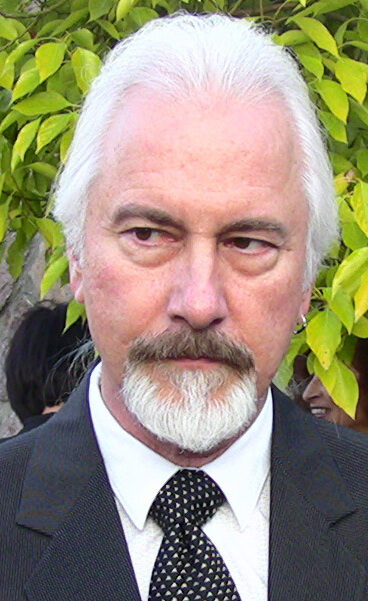
Rick Baker
Rick Baker is an American special makeup effects artist. Born December 8, 1950, in Binghamton. Educated at Academy of Art University. Awards include Academy Award for Best Makeup and Hairstyling (7 times), Emmy Award and star on Hollywood Walk of Fame.
Facts
9 facts · 1 confirmed by two sources · 1 cited · 7 from one source
Where this comes from
Papalocal keeps its own record. It started from these sources; what each one said is kept here as it was copied, so a change on their side never changes this page by itself. Tap one to read its version.
What Wikidata says · copied November 15, 2026 · revision 2563058954
- Described as
- American special makeup effects artist
- Other names
- Richard A. "Rick" Baker, Richard Alan Baker
- Born
- December 8, 1950 · 1 reference
- Born in
- Binghamton
- Citizen of
- United States
- Occupation
- actor; make-up artist
- Education
- Academy of Art University
- Awards
- Academy Award for Best Makeup and Hairstyling (7 times) (1982, 1988, 1995, 1997, 1998, 2001, 2011) · 1 reference; Emmy Award; star on Hollywood Walk of Fame · 1 reference
- Wikipedias with a page
- 25
Wikidata item Q495321 (wikidata.org/wiki/Q495321), public domain (CC0). Copied November 15, 2026.
What Wikipedia says · copied November 15, 2026 · revision 1382985071
Richard Alan Baker (born December 8, 1950) is an American actor and retired special make-up effects creator. He is mostly known for his creature designs and effects. Baker has won the Academy Award for Best Makeup a record seven times from a record eleven nominations, beginning with his win in the first year of the category's existence, for the 1981 horror comedy An American Werewolf in London.
- Born, in its opening lines
- December 8, 1950
From the Wikipedia article “Rick Baker” (en.wikipedia.org/wiki/Rick_Baker), by its contributors, under CC BY-SA 4.0 (creativecommons.org/licenses/by-sa/4.0/). Copied November 15, 2026; not changed.
Confirmed Two sources agree. Cited One source, and it names where it got it. One source One source, without a reference of its own. Sources disagree The sources disagree. We show the best-supported value and keep theirs below.
