
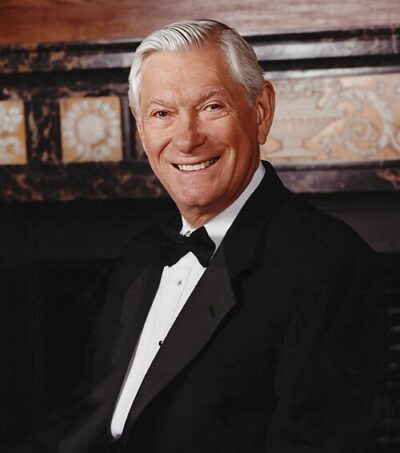
Robert Plutchik
Robert Plutchik was an American emotion psychologist. Born October 21, 1927, in Brooklyn. Died April 29, 2006, in Sarasota. Educated at Columbia University.
Facts
12 facts · 2 confirmed by two sources · 1 cited · 9 from one source
Where this comes from
Papalocal keeps its own record. It started from these sources; what each one said is kept here as it was copied, so a change on their side never changes this page by itself. Tap one to read its version.
What Wikidata says · copied November 18, 2026 · revision 2487771449
- Described as
- American emotion psychologist (1927–2006)
- Born
- October 21, 1927 · 1 reference
- Died
- April 29, 2006 · 1 reference
- Born in
- Brooklyn · 1 reference
- Died in
- Sarasota
- Citizen of
- United States · 1 reference
- Occupation
- psychologist; emotion psychologist; university teacher
- Worked for
- Yeshiva University; University of South Florida · 1 reference; Albert Einstein College of Medicine · 1 reference
- Education
- Columbia University
- Wikipedias with a page
- 17
Wikidata item Q1664215 (wikidata.org/wiki/Q1664215), public domain (CC0). Copied November 18, 2026.
What Wikipedia says · copied November 18, 2026 · revision 1381970421
Robert Plutchik (21 October 1927 – 29 April 2006) was an American psychologist who was professor emeritus at the Albert Einstein College of Medicine and adjunct professor at the University of South Florida. He received his Ph.D. from Columbia University. He authored or coauthored more than 260 articles, 45 chapters and eight books and edited seven books. His research interests included the study of emotions, the study of suicide and violence, and the study of the psychotherapy process.
- Born, in its opening lines
- October 21, 1927
- Died, in its opening lines
- April 29, 2006
From the Wikipedia article “Robert Plutchik” (en.wikipedia.org/wiki/Robert_Plutchik), by its contributors, under CC BY-SA 4.0 (creativecommons.org/licenses/by-sa/4.0/). Copied November 18, 2026; not changed.
Confirmed Two sources agree. Cited One source, and it names where it got it. One source One source, without a reference of its own. Sources disagree The sources disagree. We show the best-supported value and keep theirs below.
