
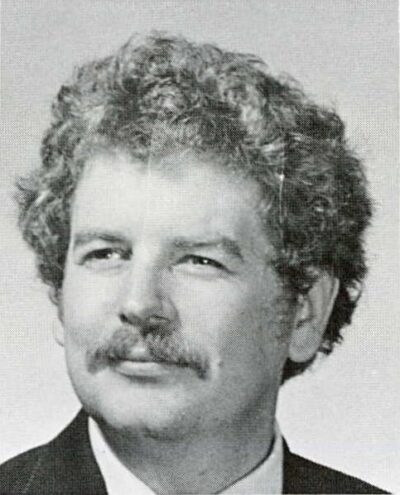
Robert Prince
Robert Prince was an American video game composer. Born March 12, 1945, in Madison. Died June 16, 2026. Known for Doom and Duke Nukem 3D. Educated at University of Georgia and Emory University.
Facts
13 facts · 2 confirmed by two sources · 2 cited · 9 from one source
Where this comes from
Papalocal keeps its own record. It started from these sources; what each one said is kept here as it was copied, so a change on their side never changes this page by itself. Tap one to read its version.
What Wikidata says · copied November 16, 2026 · revision 2568418190
- Described as
- American video game composer (1945–2026)
- Other names
- Bobby Prince
- Born
- March 12, 1945
- Died
- June 16, 2026 · 1 reference
- Born in
- Madison
- Name at birth
- Robert Caskin Prince III
- Citizen of
- United States
- Occupation
- video game composer
- Education
- University of Georgia · 1 reference; Emory University · 1 reference
- Genre
- video game music; film score
- Known for
- Doom; Duke Nukem 3D
- Website
- http://www.bpmusic.com/
- Wikipedias with a page
- 21
Wikidata item Q1386483 (wikidata.org/wiki/Q1386483), public domain (CC0). Copied November 16, 2026.
What Wikipedia says · copied November 16, 2026 · revision 1384512443
Robert Caskin Prince III (March 12, 1945 – June 16, 2026) was an American video game composer and sound designer. He worked as an independent contractor for several video game companies, including 3D Realms, Apogee Entertainment, and id Software. His most notable works included sound for Wolfenstein 3D (1992), Doom, Duke Nukem II (both 1993), Doom II (1994), and Duke Nukem 3D (1996).
Prince received the Game Audio Network Guild's Lifetime Achievement Award in 2006, and his Doom work was inducted into the U.S. National Recording Registry in 2026.
- Born, in its opening lines
- March 12, 1945
- Died, in its opening lines
- June 16, 2026
From the Wikipedia article “Bobby Prince” (en.wikipedia.org/wiki/Bobby_Prince), by its contributors, under CC BY-SA 4.0 (creativecommons.org/licenses/by-sa/4.0/). Copied November 16, 2026; not changed.
Confirmed Two sources agree. Cited One source, and it names where it got it. One source One source, without a reference of its own. Sources disagree The sources disagree. We show the best-supported value and keep theirs below.
