
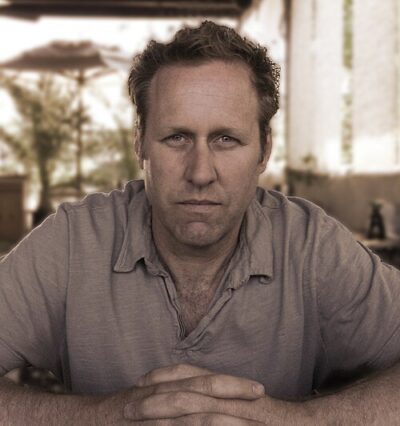
Roger Avary
Roger Avary is a Canadian producer, screenwriter and director. Born August 23, 1965, in Flin Flon. Awards include Academy Award for Best Writing, Original Screenplay.
Facts
12 facts · 1 confirmed by two sources · 3 cited · 8 from one source
Where this comes from
Papalocal keeps its own record. It started from these sources; what each one said is kept here as it was copied, so a change on their side never changes this page by itself. Tap one to read its version.
What Wikidata says · copied November 15, 2026 · revision 2552663289
- Described as
- Canadian producer, screenwriter and director
- Other names
- Roger Roberts Avary
- Born
- August 23, 1965 · 3 references
- Born in
- Flin Flon
- Citizen of
- United States; Canada
- Occupation
- screenwriter · 2 references; film director; television producer; film producer; director · 1 reference
- Member of
- Writers Guild of America West
- Awards
- Academy Award for Best Writing, Original Screenplay (1995) · 1 reference
- Website
- http://www.avary.com
- Wikipedias with a page
- 25
Wikidata item Q450720 (wikidata.org/wiki/Q450720), public domain (CC0). Copied November 15, 2026.
What Wikipedia says · copied November 15, 2026 · revision 1385299076
Roger Roberts Avary (born August 23, 1965) is a Canadian-American film director, screenwriter, and producer. He is best known for his work with Quentin Tarantino on the script for Pulp Fiction (1994), for which they won Best Original Screenplay at the 67th Academy Awards. Avary has also directed films such as Killing Zoe (1993) and The Rules of Attraction (2002), and wrote the screenplays for Silent Hill (2006) and Beowulf (2007).
In 2022, Avary reunited with Tarantino to launch a podcast called The Video Archives Podcast.
- Born, in its opening lines
- August 23, 1965
From the Wikipedia article “Roger Avary” (en.wikipedia.org/wiki/Roger_Avary), by its contributors, under CC BY-SA 4.0 (creativecommons.org/licenses/by-sa/4.0/). Copied November 15, 2026; not changed.
Confirmed Two sources agree. Cited One source, and it names where it got it. One source One source, without a reference of its own. Sources disagree The sources disagree. We show the best-supported value and keep theirs below.
