
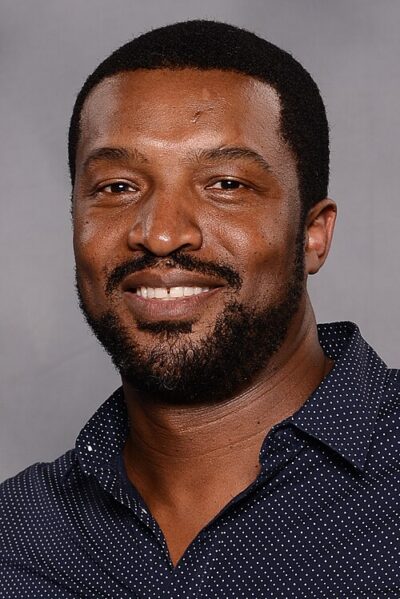
Roger Cross is a Jamaican actor. Born October 19, 1969, in Christiana. Educated at Burnaby Central Secondary School.
Facts
8 facts · 1 confirmed by two sources · 2 cited · 5 from one source
Where this comes from
Papalocal keeps its own record. It started from these sources; what each one said is kept here as it was copied, so a change on their side never changes this page by itself. Tap one to read its version.
What Wikidata says · copied November 18, 2026 · revision 2558754873
- Described as
- Jamaican actor
- Other names
- Roger R. Cross
- Born
- October 19, 1969 · 1 reference
- Born in
- Christiana
- Citizen of
- Jamaica
- Occupation
- film actor; stunt performer · 1 reference; television actor; actor · 1 reference
- Education
- Burnaby Central Secondary School
- Wikipedias with a page
- 23
Wikidata item Q1093611 (wikidata.org/wiki/Q1093611), public domain (CC0). Copied November 18, 2026.
What Wikipedia says · copied November 18, 2026 · revision 1380090008
Roger Cross (born 19 October 1969) is a Jamaican actor. He is known for his work as Curtis Manning on 24 (2005–2007) and Detective Donovan McAvoy in Coroner (2019-2022). He earned a Canadian Screen Award nomination for Best Lead Actor in a drama series for Coroner and the show was nominated for Best Drama Series, 2020.
Cross also has other television roles that include First Wave (1998–2001), Arrow (2012), Continuum (2012–2015), Motive (2013–2016), Dark Matter (2015–2017), Murdoch Mysteries (2023-2024) Sight Unseen (2024-present). In film, He voiced John Stewart and Swamp Thing in the DC Animated Movie Universe films Justice League Dark (2017) and Justice League Dark: Apokolips War (2020). He also voiced Ulysses in the Lonesome Road expansion of the post-apocalyptic video game Fallout: New Vegas (2010).
- Born, in its opening lines
- October 19, 1969
From the Wikipedia article “Roger Cross” (en.wikipedia.org/wiki/Roger_Cross), by its contributors, under CC BY-SA 4.0 (creativecommons.org/licenses/by-sa/4.0/). Copied November 18, 2026; not changed.
Confirmed Two sources agree. Cited One source, and it names where it got it. One source One source, without a reference of its own. Sources disagree The sources disagree. We show the best-supported value and keep theirs below.
