
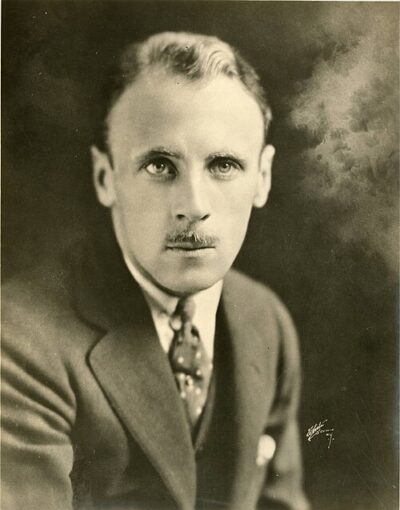
Roland Young
Roland Young was a British actor. Born November 11, 1887, in London. Died June 5, 1953, in New York City. Educated at University College London. Awards include star on Hollywood Walk of Fame.
Facts
13 facts · 2 confirmed by two sources · 4 cited · 7 from one source
Where this comes from
Papalocal keeps its own record. It started from these sources; what each one said is kept here as it was copied, so a change on their side never changes this page by itself. Tap one to read its version.
What Wikidata says · copied November 18, 2026 · revision 2566762588
- Described as
- British actor (1887–1953)
- Born
- November 11, 1887 · 4 references
- Died
- June 5, 1953 · 4 references
- Born in
- London · 1 reference
- Died in
- New York City · 1 reference
- Citizen of
- United Kingdom
- Occupation
- stage actor; film actor; actor · 2 references
- Education
- University College London
- Awards
- star on Hollywood Walk of Fame · 1 reference
- Field
- acting · 1 reference
- Spouse
- Marjorie Kummer
- Military branch
- United States Army
- Wikipedias with a page
- 22
Wikidata item Q1371212 (wikidata.org/wiki/Q1371212), public domain (CC0). Copied November 18, 2026.
What Wikipedia says · copied November 18, 2026 · revision 1378518946
Roland Young (11 November 1887 – 5 June 1953) was an English-born actor. He began his acting career on the London stage, but later found success in America and received an Academy Award nomination for his role in the film Topper (1937).
In 1960, Young was posthumously honored with two stars on the Hollywood Walk of Fame for his contributions in the television and motion pictures industries.
- Born, in its opening lines
- November 11, 1887
- Died, in its opening lines
- June 5, 1953
From the Wikipedia article “Roland Young” (en.wikipedia.org/wiki/Roland_Young), by its contributors, under CC BY-SA 4.0 (creativecommons.org/licenses/by-sa/4.0/). Copied November 18, 2026; not changed.
Confirmed Two sources agree. Cited One source, and it names where it got it. One source One source, without a reference of its own. Sources disagree The sources disagree. We show the best-supported value and keep theirs below.
