
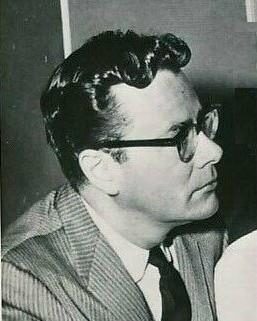
Ross Hunter
Ross Hunter was an American film and television producer, actor. Born May 6, 1920, in Cleveland. Died March 10, 1996, in Los Angeles. Educated at Glenville High School.
Facts
13 facts · 2 confirmed by two sources · 4 cited · 7 from one source
Where this comes from
Papalocal keeps its own record. It started from these sources; what each one said is kept here as it was copied, so a change on their side never changes this page by itself. Tap one to read its version.
What Wikidata says · copied November 18, 2026 · revision 2554138356
- Described as
- American film and television producer, actor (1920-1996)
- Other names
- Martin Terry Fuss
- Born
- May 6, 1920 · 3 references
- Died
- March 10, 1996 · 3 references
- Born in
- Cleveland · 1 reference
- Died in
- Los Angeles · 1 reference
- Buried in
- Westwood Village Memorial Park Cemetery
- Cause of death
- cancer
- Citizen of
- United States
- Occupation
- film producer · 1 reference; actor; teacher; television producer · 1 reference; producer · 1 reference
- Education
- Glenville High School · 1 reference
- Wikipedias with a page
- 15
Wikidata item Q2754518 (wikidata.org/wiki/Q2754518), public domain (CC0). Copied November 18, 2026.
What Wikipedia says · copied November 18, 2026 · revision 1362947828
Ross Hunter (born Martin Terry Fuss; May 6, 1920 – March 10, 1996) was an American film and television producer and actor. He is best known for producing light comedies such as Pillow Talk (1959), and the glamorous melodramas Magnificent Obsession (1954), Imitation of Life (1959), and Back Street (1961).
Over the course of his career, Hunter produced films of various genres but found his greatest success with light-hearted comedies, musicals and melodramatic "tear jerkers" that were high on romance and glamour.
- Born, in its opening lines
- May 6, 1920
- Died, in its opening lines
- March 10, 1996
From the Wikipedia article “Ross Hunter” (en.wikipedia.org/wiki/Ross_Hunter), by its contributors, under CC BY-SA 4.0 (creativecommons.org/licenses/by-sa/4.0/). Copied November 18, 2026; not changed.
Confirmed Two sources agree. Cited One source, and it names where it got it. One source One source, without a reference of its own. Sources disagree The sources disagree. We show the best-supported value and keep theirs below.
