
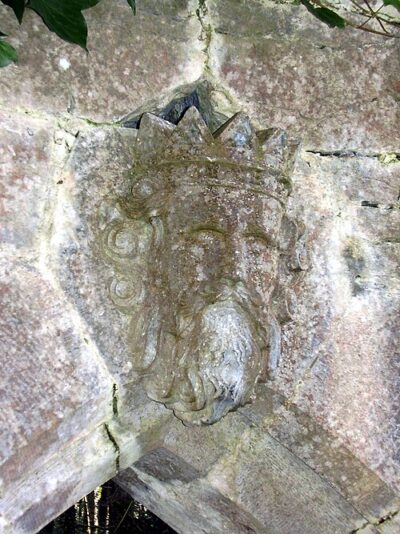
Ruaidrí Ua Conchobair was a High King of Ireland. Born 1116, in Tuam. Died December 2, 1198, in Cong. Positions held include king.
Facts
18 facts · 2 confirmed by two sources · 3 cited · 13 from one source
Where this comes from
Papalocal keeps its own record. It started from these sources; what each one said is kept here as it was copied, so a change on their side never changes this page by itself. Tap one to read its version.
What Wikidata says · copied November 18, 2026 · revision 2556255606
- Described as
- High King of Ireland
- Other names
- Ruaidri Ua Conchobair, Ruiadrí, High King of Ireland, Roderic O'Conor, King of Connaught
- Born
- 1116 · 1 reference
- Died
- December 2, 1198 · 1 reference
- Born in
- Tuam
- Died in
- Cong
- Buried in
- Cong Abbey (1198–1207); Clonmacnoise (1207–)
- Positions held
- king
- Children
- Conchobar Maenmaige Ua Conchobair · 1 reference; Aed mac Ruaidrí Ua Conchobair; Róis Ní Chonchobair; Diarmait mac Ruaidrí Ó Conchobair; Muirghis Cananach Ua Conchobhair; Nuala Ní Conchobair; Aedh mac Ruaidri Ó Conchobair; Toirdelbach mac Ruaidhi Ó Conchobair
- Father
- Tairrdelbach Ua Conchobair · 1 reference
- Mother
- Tailltin O'Melaghlin · 1 reference
- Religion
- Catholicism
- Wikipedias with a page
- 21
Wikidata item Q1660081 (wikidata.org/wiki/Q1660081), public domain (CC0). Copied November 18, 2026.
What Wikipedia says · copied November 18, 2026 · revision 1378569236
Ruaidrí mac Tairrdelbach Ua Conchobair (Modern Irish: Ruairí Ó Conchúir; anglicised as Rory O'Conor) (c. 1116 – 2 December 1198) was King of Connacht from 1156 to 1186, and High King of Ireland from 1166 to 1198. He was the last High King of Ireland before the Anglo-Norman invasion.
- Born, in its opening lines
- c. 1116
- Died, in its opening lines
- December 2, 1198
From the Wikipedia article “Ruaidrí Ua Conchobair” (en.wikipedia.org/wiki/Ruaidrí_Ua_Conchobair), by its contributors, under CC BY-SA 4.0 (creativecommons.org/licenses/by-sa/4.0/). Copied November 18, 2026; not changed.
Confirmed Two sources agree. Cited One source, and it names where it got it. One source One source, without a reference of its own. Sources disagree The sources disagree. We show the best-supported value and keep theirs below.
