
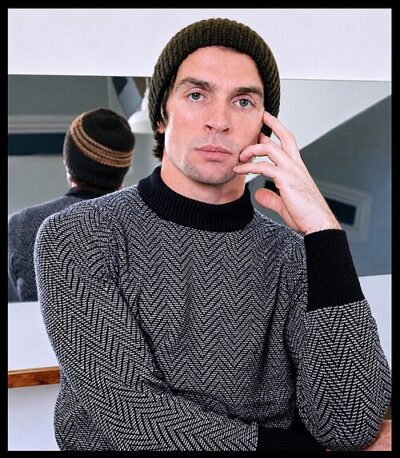
Rudolf Nureyev
Rudolf Nureyev was a Soviet ballet dancer and choreographer. Born March 17, 1938, in Razdolnoe. Died January 6, 1993, in Levallois-Perret. Educated at Vaganova Academy of Russian Ballet. Awards include Knight of the Legion of Honour, Commandeur des Arts et des Lettres and Capezio Dance Award.
Facts
21 facts · 2 confirmed by two sources · 7 cited · 12 from one source
Where this comes from
Papalocal keeps its own record. It started from these sources; what each one said is kept here as it was copied, so a change on their side never changes this page by itself. Tap one to read its version.
What Wikidata says · copied November 16, 2026 · revision 2568886421
- Described as
- Soviet ballet dancer and choreographer (1938–1993)
- Other names
- Rudolf Khametovich Nureyev
- Born
- March 17, 1938 · 10 references
- Died
- January 6, 1993 · 10 references
- Born in
- Razdolnoe
- Died in
- Levallois-Perret · 1 reference
- Buried in
- Sainte-Geneviève-des-Bois Russian Cemetery · 1 reference
- Cause of death
- HIV/AIDS
- Citizen of
- Soviet Union (–1961); Austria (1982–)
- Occupation
- ballet dancer; choreographer · 1 reference; actor · 1 reference; ballet master; director · 1 reference; dancer · 1 reference; musician · 1 reference
- Education
- Vaganova Academy of Russian Ballet
- Awards
- Knight of the Legion of Honour (1988); Commandeur des Arts et des Lettres; Capezio Dance Award (1987); Queen Elizabeth II Coronation Award
- Website
- https://nureyev.org
- Wikipedias with a page
- 75
Wikidata item Q84217 (wikidata.org/wiki/Q84217), public domain (CC0). Copied November 16, 2026.
What Wikipedia says · copied November 16, 2026 · revision 1385847468
Rudolf Khametovich Nureyev (17 March 1938 – 6 January 1993) was a Soviet-born ballet dancer and choreographer. Nureyev is widely regarded as the preeminent male ballet dancer of the 20th century, as well as one of the greatest ballet dancers of all time.
Nureyev was born on a Trans-Siberian train near Lake Baikal, in Siberia, Soviet Union. He began his career in Leningrad with the company that in the Soviet era was called the Kirov Ballet. In 1961, he defected to the West, despite KGB efforts to stop him. This was the first defection of a Soviet artist during the Cold War, and it created an international sensation.
He went on to dance with The Royal Ballet in London and became a global star. Known for his charisma, technical brilliance, and intense stage presence, Nureyev helped elevate the role of the male dancer in ballet. From 1983 to 1989, he directed the Paris Opera Ballet and became its chief choreographer. He also produced his own interpretations of numerous classical works, including Swan Lake, Giselle, and La Bayadère.
- Born, in its opening lines
- March 17, 1938
- Died, in its opening lines
- January 6, 1993
From the Wikipedia article “Rudolf Nureyev” (en.wikipedia.org/wiki/Rudolf_Nureyev), by its contributors, under CC BY-SA 4.0 (creativecommons.org/licenses/by-sa/4.0/). Copied November 16, 2026; not changed.
Confirmed Two sources agree. Cited One source, and it names where it got it. One source One source, without a reference of its own. Sources disagree The sources disagree. We show the best-supported value and keep theirs below.
