
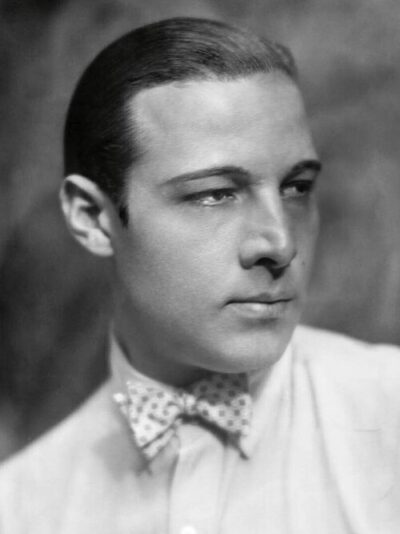
Rudolph Valentino
Rudolph Valentino was an Italian actor. Born May 6, 1895, in Castellaneta. Died August 23, 1926, in New York City. Awards include star on Hollywood Walk of Fame.
Facts
17 facts · 2 confirmed by two sources · 4 cited · 11 from one source
Where this comes from
Papalocal keeps its own record. It started from these sources; what each one said is kept here as it was copied, so a change on their side never changes this page by itself. Tap one to read its version.
What Wikidata says · copied November 16, 2026 · revision 2558231264
- Described as
- Italian actor (1895–1926)
- Other names
- Rodolph Valentino, Rodolfo Pietro Filiberto Raffaello Guglielmi di Valentina d'Antonguella, Rodolfo Alfonso Raffaello Pierre Filibert Guglielmi di Valentina d'Antonguolla, Rodolfo Alfonso Raffaello Piero Filiberto Guglielmi, Rudy Valentino
- Born
- May 6, 1895 · 11 references
- Died
- August 23, 1926 · 9 references
- Born in
- Castellaneta · 1 reference
- Died in
- New York City · 2 references
- Buried in
- Hollywood Forever Cemetery
- Cause of death
- peritonitis
- Name at birth
- Rodolfo Alfonso Raffaello Pietro Filiberto Guglielmi di Valentino d`Antoniolla
- Citizen of
- Kingdom of Italy
- Occupation
- actor · 1 reference; film actor · 1 reference; dancer
- Awards
- star on Hollywood Walk of Fame · 1 reference
- Spouse
- Natacha Rambova (1923–1925); Jean Acker (1919–1923)
- Lived in
- United States (1913–)
- Nickname
- Rudy
- Height
- 1.80 m (5 ft 11 in)
- Wikipedias with a page
- 67
Wikidata item Q188692 (wikidata.org/wiki/Q188692), public domain (CC0). Copied November 16, 2026.
What Wikipedia says · copied November 16, 2026 · revision 1383210400
Rodolfo Pietro Filiberto Raffaello Guglielmi di Valentina d'Antonguella (May 6, 1895 – August 23, 1926), known professionally as Rudolph Valentino or just as Valentino, was an Italian-born actor and dancer. Dubbed the Latin Lover, he became one of the most iconic stars of American silent cinema and an enduring symbol of old Hollywood glamour. Rising to international fame in the early 1920s, Valentino was celebrated for his exotic screen persona, romantic intensity, and expressive performances, which helped redefine male stardom during the silent era.
Often referred to as the first Latin Lover and the Great Lover, Valentino began his career as a taxi dancer, later moving into ballroom dancing, before he achieved breakthrough success with the film The Four Horsemen of the Apocalypse (1921), which popularized the Argentine tango dance with American audiences. He subsequently starred in several box-office hits such as The Sheik (1921), Blood and Sand (1922), The Eagle (1925), and The Son of the Sheik (1926). His on-screen image—sensual, passionate, and unconventional by the standards of the time—made him the first screen sex symbol, which provoked both fervent adoration and cultural backlash, making him a lightning rod in debates about masculinity, sexuality, and modernity in the 1920s.
Despite a career that lasted only a few years at its peak, Valentino's influence on popular culture was profound. In 1925, he established a film award recognizing artistic achievement, the Rudolph Valentino Medal, which was a precursor to the Academy Award. His sudden death in 1926 at the age of 31 from complications of peritonitis following surgery for appendicitis and gastric ulcers triggered mass public mourning, cementing his status as a legendary figure of early cinema.
Valentino's life has been depicted in several biographical films: Valentino (1951), The Legend of Valentino (1975), and Valentino (1977). From 1972 to 2006, his legacy was further commemorated through the annual Rudolph Valentino Award, presented in Italy in recognition of acting achievement.
- Born, in its opening lines
- May 6, 1895
- Died, in its opening lines
- August 23, 1926
From the Wikipedia article “Rudolph Valentino” (en.wikipedia.org/wiki/Rudolph_Valentino), by its contributors, under CC BY-SA 4.0 (creativecommons.org/licenses/by-sa/4.0/). Copied November 16, 2026; not changed.
Confirmed Two sources agree. Cited One source, and it names where it got it. One source One source, without a reference of its own. Sources disagree The sources disagree. We show the best-supported value and keep theirs below.
