
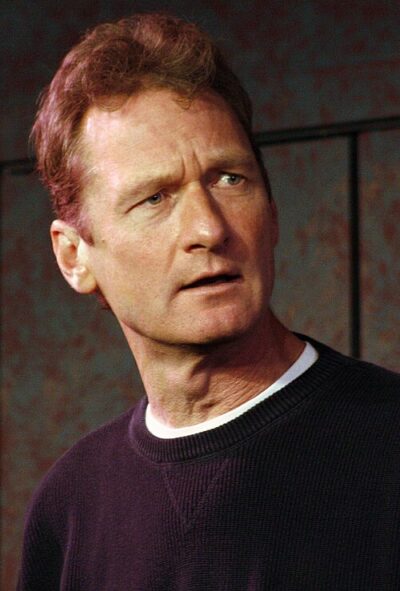
Ryan Stiles
Ryan Stiles is an American-Canadian actor and comedian. Born April 22, 1959, in Seattle. Educated at Robert Cecil Palmer Secondary School and Richmond Secondary School.
Facts
18 facts · 1 confirmed by two sources · 3 cited · 14 from one source
Where this comes from
Papalocal keeps its own record. It started from these sources; what each one said is kept here as it was copied, so a change on their side never changes this page by itself. Tap one to read its version.
What Wikidata says · copied November 15, 2026 · revision 2567583370
- Described as
- American-Canadian actor and comedian
- Other names
- Ryan Lee Stiles
- Born
- April 22, 1959 · 1 reference
- Born in
- Seattle · 1 reference
- Name at birth
- Ryan Lee Stiles
- Citizen of
- United States; Canada
- Occupation
- television actor; film actor; voice actor; comedian · 1 reference; stand-up comedian; improviser; actor · 1 reference
- Education
- Robert Cecil Palmer Secondary School; Richmond Secondary School
- Genre
- improvisational theatre
- Lived in
- Seattle; Vancouver; Lake Samish
- Wikipedias with a page
- 28
Wikidata item Q471804 (wikidata.org/wiki/Q471804), public domain (CC0). Copied November 15, 2026.
What Wikipedia says · copied November 15, 2026 · revision 1381087119
Ryan Lee Stiles (born April 22, 1959) is an American-Canadian comedian and actor. His work is often associated with improvisational comedy. He is best known for his work on Whose Line Is It Anyway? (both the original British version and the subsequent American version) and for his role as Lewis Kiniski on The Drew Carey Show. He also played Herb Melnick on the CBS comedy Two and a Half Men and was a performer on the show Drew Carey's Improv-A-Ganza.
- Born, in its opening lines
- April 22, 1959
From the Wikipedia article “Ryan Stiles” (en.wikipedia.org/wiki/Ryan_Stiles), by its contributors, under CC BY-SA 4.0 (creativecommons.org/licenses/by-sa/4.0/). Copied November 15, 2026; not changed.
Confirmed Two sources agree. Cited One source, and it names where it got it. One source One source, without a reference of its own. Sources disagree The sources disagree. We show the best-supported value and keep theirs below.
