
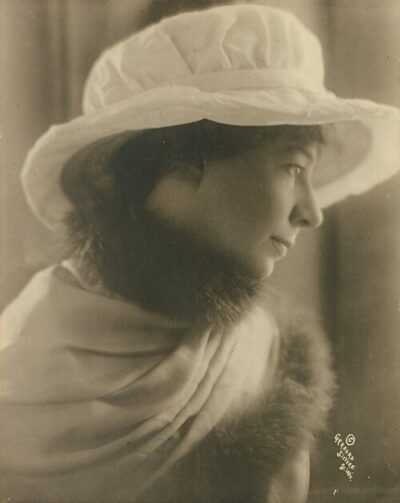
Sara Teasdale
Sara Teasdale was an American writer and poet. Born August 8, 1884, in St. Louis. Died January 29, 1933, in New York City. Educated at Mary Institute and St. Louis Country Day School. Awards include Pulitzer Prize for Poetry.
Facts
13 facts · 2 confirmed by two sources · 6 cited · 5 from one source
Where this comes from
Papalocal keeps its own record. It started from these sources; what each one said is kept here as it was copied, so a change on their side never changes this page by itself. Tap one to read its version.
What Wikidata says · copied November 13, 2026 · revision 2555603364
- Described as
- American writer and poet (1884–1933)
- Other names
- Sara Trevor Teasdale, Sara Teasdale Filsinger, Sara Filsinger
- Born
- August 8, 1884 · 6 references
- Died
- January 29, 1933 · 6 references
- Born in
- St. Louis · 1 reference
- Died in
- New York City · 1 reference
- Buried in
- Bellefontaine Cemetery
- Cause of death
- drug overdose
- Citizen of
- United States
- Occupation
- poet · 2 references; writer · 1 reference
- Education
- Mary Institute and St. Louis Country Day School · 1 reference
- Awards
- Pulitzer Prize for Poetry (1918) · 1 reference
- Field
- poetry
- Spouse
- Ernst B. Filsinger · 1 reference
- Wikipedias with a page
- 43
Wikidata item Q276013 (wikidata.org/wiki/Q276013), public domain (CC0). Copied November 13, 2026.
What Wikipedia says · copied November 13, 2026 · revision 1381379355
Sara Trevor Teasdale (later Filsinger; August 8, 1884 – January 29, 1933) was an American lyric poet. She was born in St. Louis, Missouri, and used the name Filsinger after her 1914 marriage. In 1918, she won a Pulitzer Prize for her 1917 poetry collection Love Songs.
- Born, in its opening lines
- August 8, 1884
- Died, in its opening lines
- January 29, 1933
From the Wikipedia article “Sara Teasdale” (en.wikipedia.org/wiki/Sara_Teasdale), by its contributors, under CC BY-SA 4.0 (creativecommons.org/licenses/by-sa/4.0/). Copied November 13, 2026; not changed.
Confirmed Two sources agree. Cited One source, and it names where it got it. One source One source, without a reference of its own. Sources disagree The sources disagree. We show the best-supported value and keep theirs below.
