
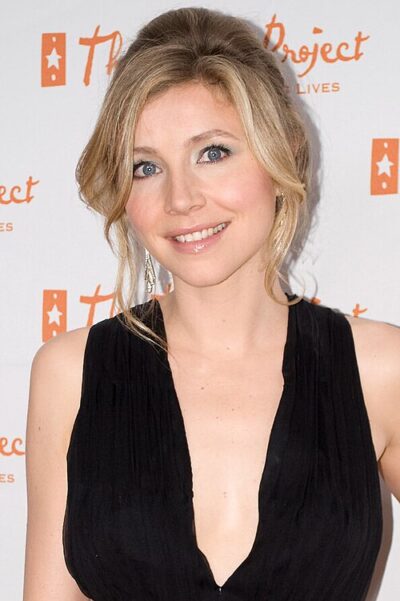
Sarah Chalke
Sarah Chalke is a Canadian actress. Born August 27, 1976, in Vancouver. Educated at Handsworth Secondary School.
Facts
9 facts · 1 confirmed by two sources · 2 cited · 6 from one source
Where this comes from
Papalocal keeps its own record. It started from these sources; what each one said is kept here as it was copied, so a change on their side never changes this page by itself. Tap one to read its version.
What Wikidata says · copied November 13, 2026 · revision 2563817193
- Described as
- Canadian actress
- Other names
- Sarah Louise Christine Chalke
- Born
- August 27, 1976 · 1 reference
- Born in
- Vancouver · 1 reference
- Citizen of
- Canada; United States
- Occupation
- actor · 2 references; voice actor; television actor; film actor
- Education
- Handsworth Secondary School
- Wikipedias with a page
- 44
Wikidata item Q229728 (wikidata.org/wiki/Q229728), public domain (CC0). Copied November 13, 2026.
What Wikipedia says · copied November 13, 2026 · revision 1384810659
Sarah Louise Christine Chalke (; born August 27, 1976) is a Canadian actress. She is known for her starring roles as the second Becky Conner in the ABC sitcom Roseanne (1993–1997), Elliot Reid in the NBC/ABC medical comedy series Scrubs (2001–2010); and the 2026 revival series, Beth Smith and Space Beth in the Adult Swim animated science fiction series Rick and Morty (2013–present), and Kate Mularkey in the Netflix drama series Firefly Lane (2021–2023).
Chalke had recurring roles as Stella Zinman in the CBS sitcom How I Met Your Mother (2008–2009, 2014) and as Angie in the ABC/TBS sitcom Cougar Town (2012). She also had voice roles in the Netflix animated sitcom Paradise PD (2018–2021) and the Netflix animated adventure series Dogs in Space (2021–2022).
- Born, in its opening lines
- August 27, 1976
From the Wikipedia article “Sarah Chalke” (en.wikipedia.org/wiki/Sarah_Chalke), by its contributors, under CC BY-SA 4.0 (creativecommons.org/licenses/by-sa/4.0/). Copied November 13, 2026; not changed.
Confirmed Two sources agree. Cited One source, and it names where it got it. One source One source, without a reference of its own. Sources disagree The sources disagree. We show the best-supported value and keep theirs below.
