
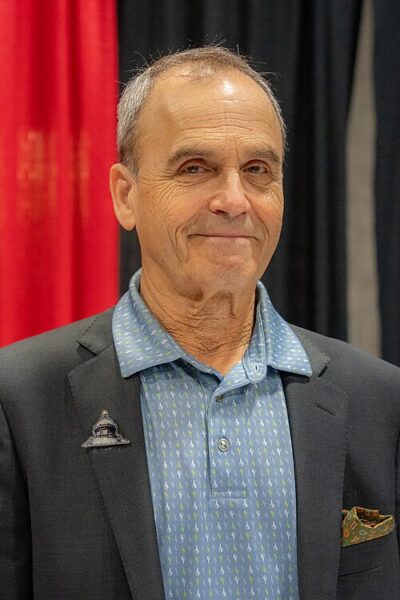
Scott Turow
Scott Turow is an American writer. Born April 12, 1949, in Chicago. Educated at Stanford University and Harvard Law School. Awards include Chicago Tribune Heartland Prize, Carl Sandburg Literary Award and Order of Lincoln.
Facts
16 facts · 1 confirmed by two sources · 4 cited · 11 from one source
Where this comes from
Papalocal keeps its own record. It started from these sources; what each one said is kept here as it was copied, so a change on their side never changes this page by itself. Tap one to read its version.
What Wikidata says · copied November 15, 2026 · revision 2564646610
- Described as
- American writer
- Other names
- Scott Frederick Turow
- Born
- April 12, 1949 · 4 references
- Born in
- Chicago · 1 reference
- Citizen of
- United States
- Occupation
- lawyer · 1 reference; novelist · 1 reference; writer; poet lawyer
- Worked for
- Stanford University
- Education
- Stanford University; Harvard Law School; Amherst College; New Trier High School
- Awards
- Chicago Tribune Heartland Prize (2003); Carl Sandburg Literary Award (2016) · 1 reference; Order of Lincoln (2000) · 1 reference
- Website
- https://www.scottturow.com
- Wikipedias with a page
- 27
Wikidata item Q451136 (wikidata.org/wiki/Q451136), public domain (CC0). Copied November 15, 2026.
What Wikipedia says · copied November 15, 2026 · revision 1383524253
Scott Frederick Turow ( TUURR-oh; born April 12, 1949) is an American writer and lawyer. Turow worked as a lawyer for a decade before writing full-time, and has written 13 fiction and three nonfiction books, which have been translated into more than 40 languages and sold more than 30 million copies. Turow's novels are set primarily among the legal community in the fictional Kindle County. Films have been based on several of his books.
- Born, in its opening lines
- April 12, 1949
From the Wikipedia article “Scott Turow” (en.wikipedia.org/wiki/Scott_Turow), by its contributors, under CC BY-SA 4.0 (creativecommons.org/licenses/by-sa/4.0/). Copied November 15, 2026; not changed.
Confirmed Two sources agree. Cited One source, and it names where it got it. One source One source, without a reference of its own. Sources disagree The sources disagree. We show the best-supported value and keep theirs below.
