
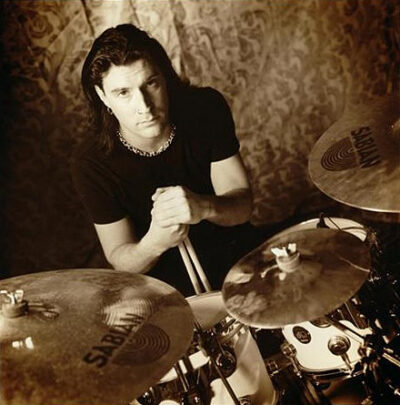
Sean Kinney
Sean Kinney is an American drummer. Born May 27, 1966, in Renton. Educated at Liberty High School.
Facts
13 facts · 1 confirmed by two sources · 2 cited · 10 from one source
Where this comes from
Papalocal keeps its own record. It started from these sources; what each one said is kept here as it was copied, so a change on their side never changes this page by itself. Tap one to read its version.
What Wikidata says · copied November 15, 2026 · revision 2517423306
- Described as
- American drummer
- Other names
- Sean Howard Kinney
- Born
- May 27, 1966
- Born in
- Renton · 1 reference
- Citizen of
- United States
- Occupation
- drummer
- Education
- Liberty High School · 1 reference
- Member of
- Alice in Chains; Spys4Darwin
- Genre
- alternative rock; grunge
- Instrument
- drum kit · 1 reference
- Record label
- Virgin Records; EMI; Columbia Records
- Wikipedias with a page
- 25
Wikidata item Q434768 (wikidata.org/wiki/Q434768), public domain (CC0). Copied November 15, 2026.
What Wikipedia says · copied November 15, 2026 · revision 1374508880
Sean Howard Kinney (born May 27, 1966) is an American musician, best known as the drummer and co-founder of the rock band Alice in Chains. Kinney also founded the short-lived supergroup Spys4Darwin, and has collaborated with other artists such as Johnny Cash and Metallica. He played drums for his Alice in Chains bandmate, Jerry Cantrell's debut solo album, Boggy Depot (1998). Since 2009, Kinney has been co-owner of The Crocodile club in Seattle. He was a guest drummer on NBC's Late Night with Seth Meyers in September 2018. Kinney has earned nine Grammy Award nominations as a member of Alice in Chains.
- Born, in its opening lines
- May 27, 1966
From the Wikipedia article “Sean Kinney” (en.wikipedia.org/wiki/Sean_Kinney), by its contributors, under CC BY-SA 4.0 (creativecommons.org/licenses/by-sa/4.0/). Copied November 15, 2026; not changed.
Confirmed Two sources agree. Cited One source, and it names where it got it. One source One source, without a reference of its own. Sources disagree The sources disagree. We show the best-supported value and keep theirs below.
