
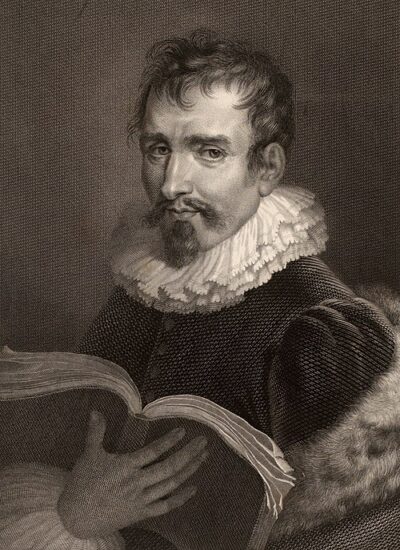
Sebastiano Serlio
Sebastiano Serlio was an Italian architect and painter. Born September 6, 1475, in Bologna. Died 1554, in Fontainebleau. Known for Château de Roussillon and Château d'Ancy-le-Franc.
Facts
12 facts · 0 confirmed by two sources · 9 cited · 3 from one source
Where this comes from
Papalocal keeps its own record. It started from these sources; what each one said is kept here as it was copied, so a change on their side never changes this page by itself. Tap one to read its version.
What Wikidata says · copied November 16, 2026 · revision 2564814174
- Described as
- Italian architect and painter (1475-1554)
- Other names
- Sebastiano Serlio de Bologne, Sebastian Serly, Sebastien Serlio, Sebastián Serlio, Sebastian Serli Bolognese, Sebastian Serlio, S. Serlio
- Born
- September 6, 1475 · 2 references
- Died
- 1554 · 14 references
- Born in
- Bologna · 3 references
- Died in
- Fontainebleau · 3 references
- Citizen of
- Italy · 1 reference
- Occupation
- architect · 2 references; painter · 1 reference; writer · 1 reference; general contractor · 1 reference; designer · 1 reference
- Known for
- Château de Roussillon; Château d'Ancy-le-Franc
- Wikipedias with a page
- 34
Wikidata item Q452318 (wikidata.org/wiki/Q452318), public domain (CC0). Copied November 16, 2026.
What Wikipedia says · copied November 16, 2026 · revision 1379617524
Sebastiano Serlio (6 September 1475 – c. 1554) was an Italian Mannerist architect, who was part of the Italian team building the Palace of Fontainebleau. Serlio helped canonize the classical orders of architecture in his influential treatise variously known as I sette libri dell'architettura ("Seven Books of Architecture") or Tutte l'opere d'architettura et prospetiva ("All the works on architecture and perspective").
From the Wikipedia article “Sebastiano Serlio” (en.wikipedia.org/wiki/Sebastiano_Serlio), by its contributors, under CC BY-SA 4.0 (creativecommons.org/licenses/by-sa/4.0/). Copied November 16, 2026; not changed.
Confirmed Two sources agree. Cited One source, and it names where it got it. One source One source, without a reference of its own. Sources disagree The sources disagree. We show the best-supported value and keep theirs below.
