
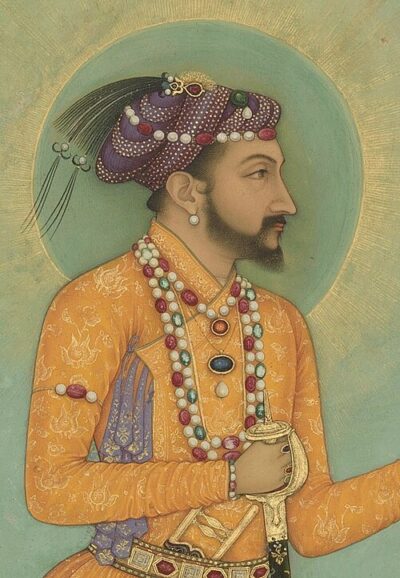
Shah Jahan
Shah Jahan was the fifth Mughal Emperor from 1628 to 1658. Born January 15, 1592, in Lahore Fort. Died January 22, 1666, in Agra Fort. Positions held include Mughal emperor (1628–1658).
Facts
25 facts · 1 confirmed by two sources · 5 cited · 18 from one source · 1 where the sources disagree
What’s different
- Born: we show January 15, 1592 (Sources disagree). Wikipedia says January 5, 1592
Where this comes from
Papalocal keeps its own record. It started from these sources; what each one said is kept here as it was copied, so a change on their side never changes this page by itself. Tap one to read its version.
What Wikidata says · copied November 16, 2026 · revision 2565552999
- Described as
- the fifth Mughal Emperor from 1628 to 1658
- Other names
- Shah Jahan the Magnificent, Shahabuddin Muhammad Shah Jahan, Shahjahan, Shahab-ud-din Muhammad Khurram, Shah-Jehan, Mirza Shahab-ud-Din Muhammad Khurram, Sha Yahan, Prince Khurram, Shah, Emperor of India Jahan
- Born
- January 15, 1592 · 1 reference
- Died
- January 22, 1666 · 2 references
- Born in
- Lahore Fort · 1 reference
- Died in
- Agra Fort
- Buried in
- Taj Mahal
- Occupation
- monarch · 1 reference
- Positions held
- Mughal emperor (1628–1658)
- Spouse
- Mumtaz Mahal (1612–1631); Izz-un-Nissa (1617–1666); Kandahari Begum (1609–)
- Children
- Parhez Banu Begum; Jahanara Begum; Dara Shikoh · 1 reference; Shah Shuja · 1 reference; Roshanara Begum; Aurangzeb; Murad Bakhsh; Gauhar Ara Begum
- Father
- Jahangir I · 1 reference
- Mother
- Jagat Gosain
- Siblings
- Khusrau Mirza; Parviz; Sheharyar; Bahar Banu Begum
- Religion
- Islam
- Wikipedias with a page
- 102
Wikidata item Q83672 (wikidata.org/wiki/Q83672), public domain (CC0). Copied November 16, 2026.
What Wikipedia says · copied November 16, 2026 · revision 1385863444
Shah Jahan I (Shahab-ud-Din Muhammad Khurram; 5 January 1592 – 22 January 1666), also called Shah Jahan the Magnificent, was the fifth Mughal Emperor from 1628 until his deposition in 1658. His reign marked the zenith of Mughal architectural and cultural achievements.
The third son of Jahangir (r. 1605–1627), Shah Jahan participated in the military campaigns against the Sisodia Rajputs of Mewar and the rebel Lodi nobles of the Deccan. After Jahangir's death in October 1627, Shah Jahan defeated his youngest brother Shahryar Mirza and crowned himself emperor in the Agra Fort. In addition to Shahryar, Shah Jahan executed most of his rival claimants to the throne. He commissioned many monuments, including the Red Fort, Shah Jahan Mosque and the famous Taj Mahal, where his favorite consort Mumtaz Mahal is entombed. In foreign affairs, Shah Jahan presided over the aggressive campaigns against the Deccan sultanates, the conflicts with the Portuguese, and the wars with the Safavids. He also suppressed several local rebellions and dealt with the devastating Deccan famine of 1630–1632.
In September 1657, the ailing Shah Jahan appointed his eldest son Dara Shikoh as his successor. This led to the Mughal war of succession (1658–1659) between his three sons, with Aurangzeb (r. 1658–1707) emerging victorious and becoming the sixth emperor, and executing all of his surviving brothers, including the Crown Prince Dara Shikoh. After Shah Jahan recovered from his illness in July 1658, Aurangzeb had him imprisoned inside the Agra Fort from July 1658 until his death in January 1666. He was laid to rest next to his wife in the Taj Mahal. His reign is known for abandoning the liberal policies initiated by his grandfather Akbar. During Shah Jahan's time, Islamic revivalist movements like the Naqshbandi began to shape Mughal policies.
- Born, in its opening lines
- January 5, 1592
- Died, in its opening lines
- January 22, 1666
From the Wikipedia article “Shah Jahan” (en.wikipedia.org/wiki/Shah_Jahan), by its contributors, under CC BY-SA 4.0 (creativecommons.org/licenses/by-sa/4.0/). Copied November 16, 2026; not changed.
Confirmed Two sources agree. Cited One source, and it names where it got it. One source One source, without a reference of its own. Sources disagree The sources disagree. We show the best-supported value and keep theirs below.
